
In 2026, you’ll want nail fungus options that prioritize safety for diabetes, deep-penetrating formulas, and clear dermatologist guidance. You’ll see 25% undecylenic acid treatments, targeted applicators for precise delivery, and extra-strength options like Kerasal with exfoliating acids, plus clinically proven gels. The choices demand gradual, long-term use and careful monitoring of your foot health. Curious how these fit your routine and safety needs? Let’s explore the top picks and what to ask your clinician.
Key Points
- Prioritize dermatologist-approved, high-strength antifungals (e.g., 25% undecylenic acid) with careful monitoring for irritation due to diabetic foot-safety concerns.
- Use products designed for deep nail bed penetration (tea tree oil + undecylenic acid combos) to target under- and around-nail infections.
- Choose clinician-guided options with clear safety cues, follow-up plans, and regular healthcare monitoring to catch irritation early.
- Consider non-prescription, clinically supported gels (e.g., NONYX) and extra-strength formulations that support long-term nail health under supervision.
- Prepare nails properly (clean, dry, file thickened areas) and apply treatments via precision applicators to maximize penetration and healing in diabetics.
Toenail Fungus Treatment with 25% Undecylenic Acid (2pcs)
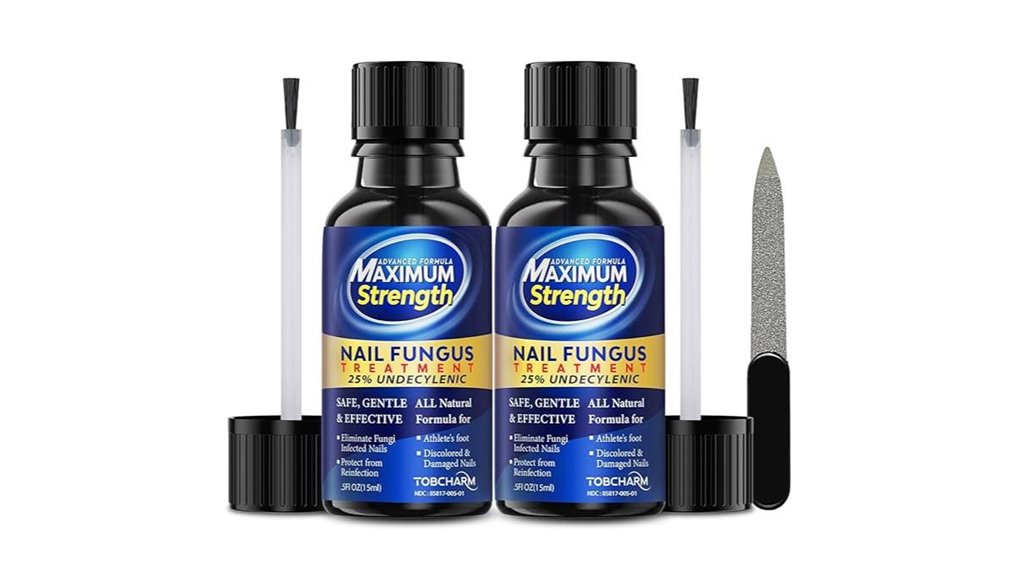
This 25% undecylenic acid formula comes in a compact 2-pack, making it a practical choice for diabetics who need steady, at-home fungal care. You apply this innovative treatment to the base of the cuticle and along the nail edges twice daily, letting it absorb for five minutes. It targets both under and around the nail, effectively eliminating nail fungus with natural, gentle components. The formula blends seven oils—tea tree, jojoba, lavender, peppermint, apricot kernel, camphor, bergamot—supporting restoration of damaged, cracked, or discolored nails. This safe, side-effect-free solution restores nail health without fuss.
Best For: This toenail fungus treatment is best for individuals seeking an at-home, extra-strength solution with natural oils to address nail fungus and support restoration, including diabetics needing steady care.
Pros:
- 25% undecylenic acid provides a strong antifungal option in a compact 2-pack
- Natural oil blend (tea tree, jojoba, lavender, peppermint, apricot kernel, camphor, bergamot) supports nail health and restoration
- Easy, twice-daily application with five-minute absorption
Cons:
- May require consistent, long-term use to see full improvement
- Some users may experience sensitivity to essential oils
- Effectiveness can vary depending on extent of infection and nail growth dynamics
Kerasal Nail Fungus Extra Strength Nail Repair
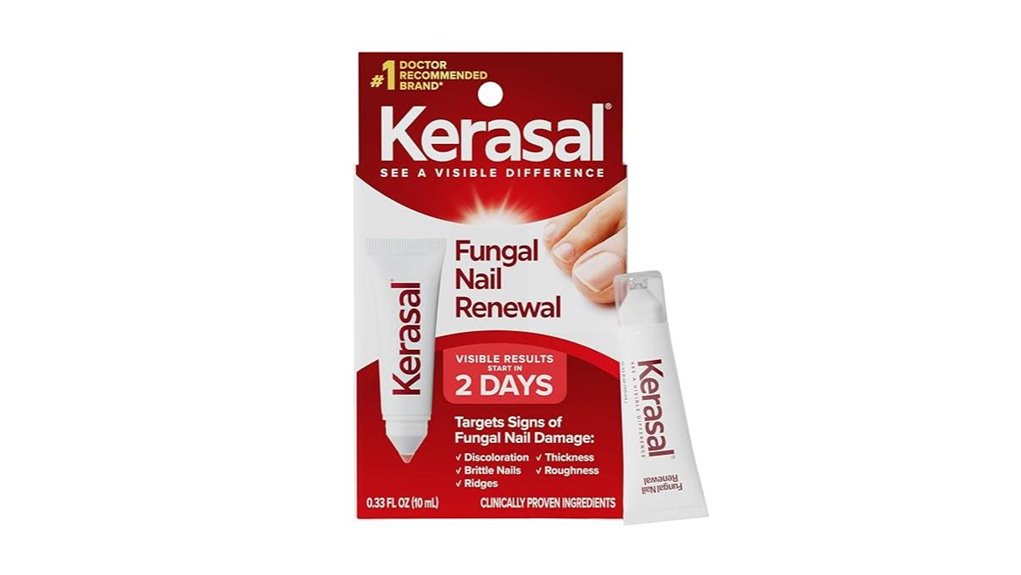
Kerasal Nail Fungus Extra Strength Nail Repair stands out for diabetics seeking a non-prescription option that targets thickened, discolored nails with a dermatologist-developed formula. You’ll apply a precision applicator directly to affected nails, supporting a simple daily routine. The blend of urea and lactic acid gently exfoliates, hydrates, and smooths rough texture while reducing thickness. You’ll notice improved clarity and a healthier appearance over time with consistent use. Trusted by millions since 2010, it addresses common fungal damage without harsh dyes or chemicals. Suitable for toe or finger nails, it integrates easily into your care routine.
Best For: Individuals seeking a non-prescription, dermatologist-developed solution to thickened, discolored nails, including diabetics, with easy daily application directly to affected nails.
Pros:
- Gentle exfoliation and smoothing of rough nail texture via urea and lactic acid.
- Reduces nail thickness and restores clarity without harsh dyes or chemicals.
- Precision applicator enables targeted, mess-free with daily use for toe or finger nails.
Cons:
- Results require consistent, long-term use to notice improvements.
- Not a cure for fungal infection; may not address underlying active infection in all cases.
- May cause irritation for sensitive individuals or those with cracked skin around nails.
Toenail Fungus Treatment – VTROUY 2 Bottles 25% Undecylenic Acid
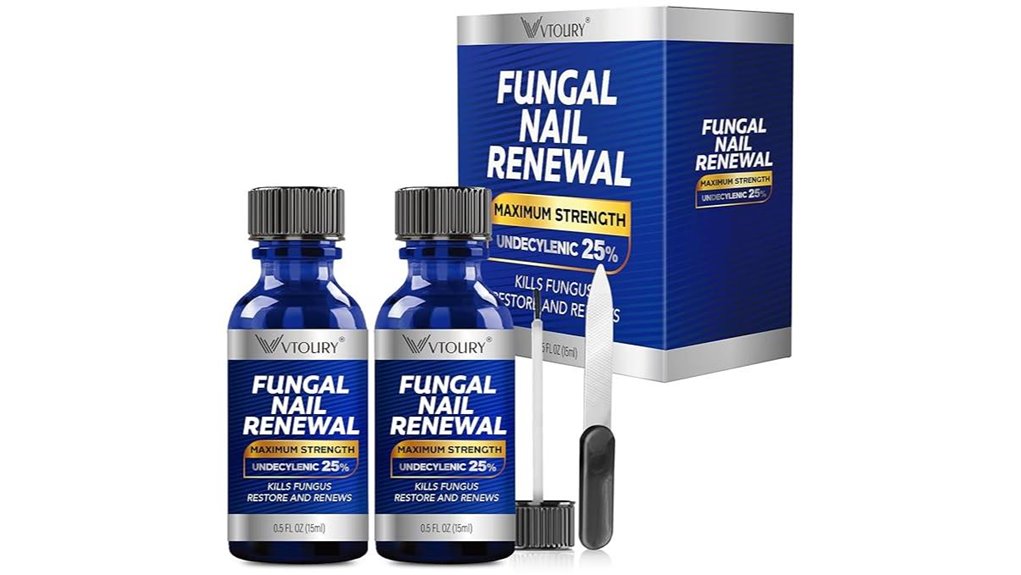
If you’re diabetic and need a fast-acting toenail fungus solution, VTROUY’s 2-bottle set with 25% undecylenic acid and tea tree oil stands out for deep, targeted action at the nail bed. This extra-strength Nail & Toe Solution targets fungal concerns, restoring nail integrity with a dermatologist-tested formula. Undecylenic acid 25% and tea tree oil penetrate deeply to strengthen and revitalize the nail, addressing root issues and supporting natural regrowth. Optimized absorption delivers fast-acting results, reaching the nail bed efficiently and promoting healthier texture. Use twice daily for noticeable clarity, resilience, and a healthier toenail appearance. Safe for long-term use on nails.
Best For: Diabetics or individuals seeking a fast-acting, extra-strength toenail fungus solution with deep nail bed penetration.
Pros:
- Deep, targeted action with 25% undecylenic acid and tea tree oil
- Dermatologist-tested formula suitable for long-term use on nails
- Fast-absorbing, dual-bottle system designed to restore nail integrity and appearance
Cons:
- May cause irritation for sensitive individuals or those with nickel/essential oil sensitivities
- Requires twice-daily application, which may be inconvenient for some users
- Results can vary; may take several weeks to notice noticeable improvement
Better Nail Fungus Treatment – Maximum Strength Solution
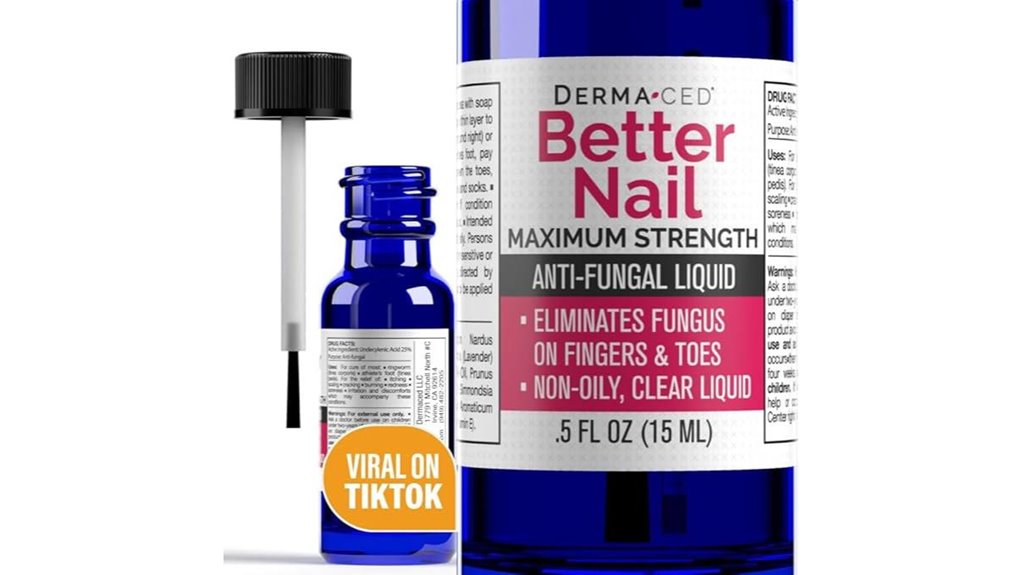
Seeking a fast, reliable option for diabetics dealing with nail fungus? This Maximum Strength Solution targets fungus under and around nails, supports nail restoration, and uses a clinically proven ingredient to reduce fungus, itching, and burning. It delivers maximum strength with 25% undecylenic acid—the highest OTC concentration for reliable power. An easy-to-use precision applicator and a mess-free brush apply directly to affected areas for quick, efficient results. Plus, six natural oils (tea tree, lavender, jojoba, clove bud, citronella, sweet almond) and vitamin E nourish nails and surrounding skin, blending natural care with science-backed effectiveness.
Best For: diabetics seeking a fast-acting, maximum-strength nail fungus solution that targets fungus under and around nails while supporting healthy nail restoration.
Pros:
- Maximum strength formula with 25% undecylenic acid (highest OTC concentration)
- Easy-to-use precision applicator with a mess-free brush for direct application
- Includes six natural oils and vitamin E to nourish nails and surrounding skin
Cons:
- Contains chemical active ingredient (undecylenic acid) which may cause irritation for some users
- May require consistent, long-term use to see full nail restoration
- Availability may be limited to OTC channels and may vary by region
NONYX Fungal Nail Gel – Clinically Proven Toenail Care
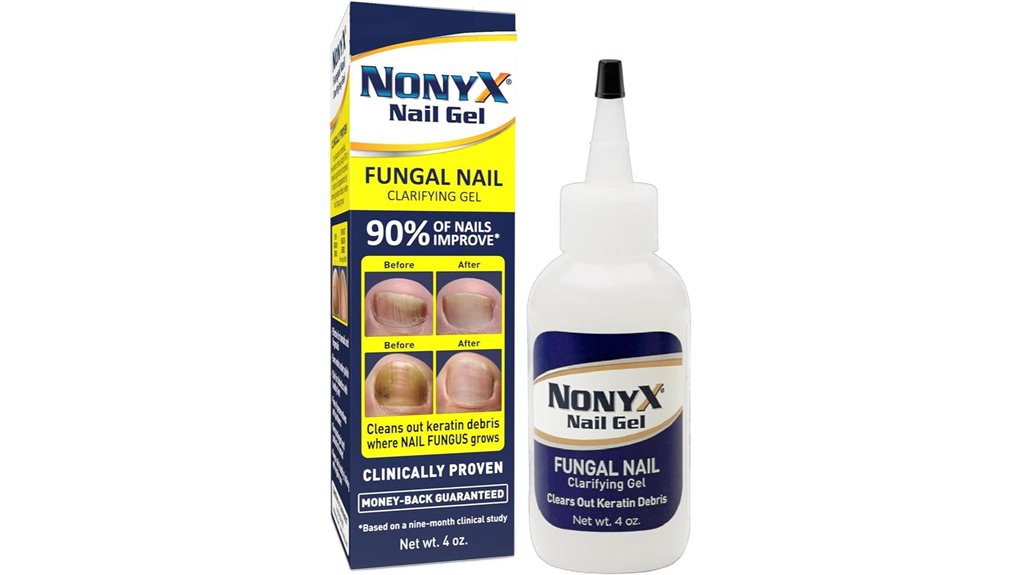
For diabetics seeking reliable toenail care, NONYX Fungal Nail Gel stands out with its clinically proven 90% nail improvement rate in a double-blind, placebo-controlled study, and its dermatologist- and podiatrist-recommended track record since 2004. You apply the clarifying gel under polish up to three times monthly, and it pairs best with acrylic-based polishes. The formula is vegan, free of parabens, and uses ethanoic acid to tackle yellowing keratin debris, supporting sustained improvement. This 4-ounce bottle offers value, is safe for healthy feet, and supports HSA/FSA reimbursement while maintaining clear, smooth nails.
Best For: Those seeking a dermatologist- and podiatrist-recommended, clinically proven toenail care that works under polish and aims to improve discolored, thick, or damaged nails.
Pros:
- Clinically proven 90% improvement in a double-blind, placebo-controlled study
- Safe for healthy feet and diabetics; vegan, paraben-free, odor-free formula
- Works under polish and pairs best with acrylic-based polishes
Cons:
- Requires regular use (up to three times monthly) for best results
- Contains ethanoic acid for keratin debris, which may cause sensitivity for some individuals
- 4-ounce bottle size may be large for occasional users with shorter treatment needs
Factors to Consider When Choosing Nail Fungus Treatment for Diabetics
When choosing a nail fungus treatment as a diabetic, consider safety first and how the active ingredients fit your specific health needs. Look at active ingredient strength, how often you’ll apply it, and whether it supports nail surface prep and ongoing nail health. Also check any nail health support components that bolster healing and compatibility with your regimen.
Diabetic Safety Considerations
Diabetic safety should guide your nail fungus treatment choices, since diabetes raises the risk of skin breakdown and infections. You should pick gentle, non-irritating options to protect fragile skin and reduce ulcers around the nails. Seek products labeled safe for diabetics or endorsed by dermatologists or medical professionals, reflecting higher foot-safety standards. Avoid harsh chemicals or strong fragrances that can irritate sensitive diabetic skin and worsen nail-bed health. Choose treatments suitable for compromised nails, since diabetes can impair healing and nail integrity. Regular healthcare provider monitoring is advised to spot irritation or signs of infection early and adjust treatment as needed. Prioritize options with clear safety cues and accessible follow-up plans to support ongoing foot health.
Active Ingredient Strength
Choosing the right nail fungus treatment for diabetics hinges on active ingredient strength. For diabetics, prioritize treatments with a high concentration of active antifungal ingredients, such as 25% undecylenic acid, a common maximum OTC strength used to combat nail fungus. Consider the depth of penetration; formulas combining undecylenic acid with components like tea tree oil can aid deeper reach into the nail bed. Be aware that higher-strength active ingredients may increase the risk of irritation, so monitor for signs of skin sensitivity and discontinue if needed. Compare products by their stated target areas (under and around the nail) to ensure the ingredient strength is delivered to the affected regions in diabetics. Look for evidence of rapid absorption and long-term effectiveness, as sustained activity at the infection site is important.
Nail Surface Preparation
Proper nail surface preparation is essential for effective treatment, especially for diabetics. You should clean the nails, dry thoroughly, and file any thickened areas to allow better product penetration. Gently buff the surface to remove loose debris, but avoid aggressive grinding that can create micro-injuries. Remove old nail polish or coatings entirely before treatment to ensure direct contact with infected areas. Trim nails straight across and smooth edges to reduce micro-splitting that can harbor fungi. Ensure hands and feet are fully dry before applying topical treatments to minimize moisture that promotes fungal growth. By prepping properly, you enhance absorption, reduce barriers, and support faster, more consistent results while protecting sensitive diabetic skin and nails.
Application Frequency
When selecting a nail fungus treatment, how often you apply it matters as much as what you apply. Some treatments require twice-daily application to keep consistent contact with affected nails, which is essential for diabetics who may heal more slowly. Peak effectiveness comes from sustained use over weeks or months, not short bursts, so follow the specified frequency to stay on track. Targeted coverage helps too—apply the solution to the base of the cuticle and the edges of each infected nail for precision. Precision applicators reduce mess and support a steady routine, making consistent dosing easier. Some regimens include a five-minute absorption window before reapplying or removing product, ensuring proper contact time with the nail surface.
Nail Health Support Components
Nail health support starts with ingredients that nourish the surrounding skin and nail itself while fighting the fungus. Look for treatments with nourishing oils like Tea Tree, Jojoba, Lavender, Peppermint, Apricot Kernel, Camphor, and Bergamot to support nail and surrounding skin health. Emphasize products that also contain hydrating agents, such as urea and lactic acid, which help exfoliate and smooth damaged nails while improving overall nail texture. Prioritize formulations with anti-fungal actives (e.g., undecylenic acid) paired with skin-soothing ingredients to minimize irritation and promote recovery of discolored or thickened nails. Seek applications designed for targeted, precise delivery to the base and edges of infected nails to enhance effectiveness without excessive product exposure. Favor options claiming safety for diabetics, with clear daily-use guidance, absorption time, and absence of adverse effects.
Common Questions
Is Nail Fungus Treatment Safe for Diabetic Nerve Damage Patients?
Yes, nail fungus treatment can be safe for people with diabetic nerve damage, but you should proceed carefully. Talk to your doctor before starting any topical or oral option, especially if you have neuropathy, kidney issues, or liver concerns. They’ll review potential drug interactions and monitor you for side effects. Follow directions precisely, monitor for worsening symptoms, and don’t skip follow‑ups. If you notice numbness or worsening pain, contact your clinician right away.
Can These Products Cure Advanced Nail Fungus in Diabetics?
Yes, these products can help, but they rarely cure advanced nail fungus in diabetics. Consider a hypothetical case: you start a medicated nail lacquer, follow strict daily use, and see partial improvement over months, yet symptoms persist if you skip treatment. You should consult a clinician to tailor therapy, monitor for side effects, and address ulcers or nerve issues. Don’t rely on DIY cures; seek professional guidance and regular foot care.
Do These Treatments Require Prescription for Diabetics?
Yes, some treatments require a prescription for diabetics. Topical antifungals can be over-the-counter, but oral medications and certain medicated nail lacquers usually need a prescription. Your doctor or podiatrist will consider your diabetes, liver function, and potential drug interactions before recommending a prescription option. If you have kidney or liver concerns, they’ll adjust dosing or suggest alternatives. Always follow medical advice and complete the full course for best results.
How Long to See Results for Diabetic Toenail Infections?
Toenail infections in diabetics can take several weeks to months to show clear improvement. You’ll likely see slow changes as fungus dies and new nail grows, often 4–12 weeks for initial progress and up to 6–12 months for full clearance. You’ll notice less redness, less odor, and healthier nail edges as you stay diligent with treatment, keep blood sugars steady, and follow your clinician’s guidance closely. Regular check-ins help catch issues early.
Can Diabetic Foot Ulcers Affect Treatment Choices?
Yes, diabetic foot ulcers can affect treatment choices. You’ll need a healthcare professional’s guidance, because ulcers raise infection risks and complicate healing. You’ll likely undergo wound assessment, blood sugar optimization, and careful antifungal selection that won’t irritate or delay healing. You might receive topical or systemic antifungals plus dressings, with monitoring for drug interactions and kidney or liver issues. You’ll avoid home remedies, keep the area clean and dry, and report new or worsening signs promptly.