
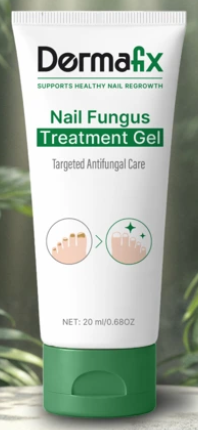
DermaFix targets the root of nail fungus by delivering antifungal actives beneath the nail surface, not just on top. This approach aims to halt spread, reduce thickening, and improve nail color and texture over time. The regimen uses a stepwise routine Purifying Wash, Nail Repair, and Rectify Cream to penetrate deeper than surface treatments while supporting hydration and nail flexibility. Consistent daily use is key, and ongoing adherence can help prevent relapse as you explore more details.
Key Points
- DermaFix targets the root nail fungus by delivering antifungal actives beneath the nail, not just surface-level treatment.
- The regimen includes Purifying Wash, Nail Repair, and Rectify Cream to penetrate, soften, and hydrate for better infection reach.
- Expect gradual improvement in 4–6 weeks with consistent daily use, including visible color and texture changes.
- Daily routine emphasizes step-by-step application and adherence to prevent relapse and support nail regrowth.
- Seek professional advice if irritation persists, symptoms worsen, or there’s pain, discharge, or systemic signs.
Nail Fungus Basics: What It Is, Why It Persists, and Why DermaFix Helps
Nail fungus is an infection that usually hides beneath the nail surface, making surface-only treatments ineffective and allowing the fungus to persist and spread if left untreated. You should know that nail fungus commonly presents as thick, yellow, and brittle nails, which can cause pain in footwear and cosmetic concerns. The infection often represents a root infection, not just surface buildup, so treatments that don’t penetrate the nail may fail. DermaFix targets this root infection with a penetrating treatment designed to reach the source, supporting nail regrowth over time. Traditional pills carry systemic risks and may produce relapse after cessation, whereas an at-home regimen provides a controlled approach. By addressing the source, DermaFix aims to limit spread and promote healthier nail tissue.

DermaFix: How It Works You Can Trust
DermaFix works by penetrating beyond the surface of the nail to reach the root infection, delivering antifungal actives where they’re needed most. You follow a clear, at-home regimen designed to target nail fungus without harsh scraping or oral meds. The treatment sequence starts with Purifying Wash to prepare the nail, then Derma Mycosis Nail Repair delivers concentrated antifungal actives directly to the infection site, and Rectify Cream hydrates and softens for better penetration. This penetrating action works progressively to halt spread and support nail regrowth over time. Consistent use as directed aims to reduce recurrence and improve nail appearance, aligning with a precise, evidence-based approach. In short, DermaFix offers a structured, at-home solution for lasting nail fungus management and regrowth.
Common Nail-Nus Causes: Fungal Infection, Trauma, Circulation, and Prevention
Common nail issues arise from several interrelated causes. You may notice fungal infection, which can thicken, yellow, and brittleness toenails, often starting at one nail before spreading. Trauma to a nail can cause discoloration, thickening, and pain that worsens with footwear. Circulation problems slow nail growth and degrade nail health, increasing infection risk. Prevention focuses on keeping nails clean and dry, trimming nails short, and avoiding shared tools or damp communal areas. Early treatment and consistent care help prevent recurrence and support nail regrowth toward a normal appearance. By addressing the root issues, you reduce the impact on toenails and support long-term nail health through evidence-based strategies and preventive habits.
Spotting the Signs: Symptoms That Signal When to Seek Help
Have you noticed thick, yellow nails that are brittle or painful in shoes? Early signs point to a possible fungal infection and merit prompt attention to nail health. If nails feel hard to improve with surface products, the issue may be beneath the surface, suggesting deeper infection. Odor, discomfort in closed footwear, and gradual spread from one nail to others strengthen the case for seeking evaluation. Prior topical or oral treatments may fail to address the root cause, underscoring the value of a deeper-root approach. Recognizing these signals helps you act before complications arise and supports targeted care.
- thick nails
- yellow nails
- fungal infection
- early signs
Step-by-Step: How to Use DermaFix Effectively
Curious how to maximize results at home? Follow the Step-by-Step: How to Use DermaFix Effectively routine. Begin with Step 1 using DermaFIX-IT Purifying Wash to kill fungus and bacteria, relieve itch, and prepare nails by cleaning and drying for the next steps. Then proceed to Step 2, applying Derma Mycosis Nail Repair as a concentrated antifungal treatment that penetrates deeply into the nail plate and surrounding skin. Finally, complete Step 3 with DermaFIX-IT Rectify Cream, a hydrating, exfoliating formula applied daily to soften thick nails and enhance antifungal effectiveness. Conduct the full Step 1 2 3 routine at home, with Step 3 recommended for morning and evening use after prior steps, to support ongoing conditioning and protection.
What to Expect in 4–6 Weeks on DermaFix
You can expect gradual, noticeable improvements in 4–6 weeks with consistent daily use of the DermaFix regimen. The program targets the root fungal infection under the nail, contributing to healthier nail regrowth and reduced yellowing as antifungal actives work. Expect clearer nail appearance as the procedure penetrates deeper, supporting durable results within the 4–6 weeks window.
Expect gradual nail improvement in 4–6 weeks with daily DermaFix use, targeting the root infection and clearer, healthier regrowth.
- Nail fungus symptoms diminish as the antifungal actives reach the source
- Visible improvement in color and texture begins to emerge
- Regular use promotes stable, healthy nail regrowth
- Hydration from Rectify Cream supports nail flexibility and comfort
Results rely on daily morning and evening application, adherence to steps, and the combined action of Purifying Wash, Derma Mycosis Nail Repair, and Rectify Cream.
Maximize Results: Daily Nail Hygiene and Care Routines
Consistent daily nail hygiene is key to maximizing DermaFix results, focusing on cleaning, hydrating, and protecting nails to support the antifungal action. You follow a daily regimen: apply Step 1 Purifying Wash, Step 2 Nail Repair, and Step 3 Rectify Cream in sequence, morning and evening after trimming and filing thick nails. This routine enhances product penetration and antifungal effectiveness, while reducing surface debris that can harbor microbes. Hydration from Rectify Cream softens thick nails and locks in oil benefits, supporting regrowth while maintaining flexibility. Regular, disciplined care minimizes irritation and helps prevent new infections. Over time, this approach contributes to regrowth support, delivering a clearer nail appearance without invasive procedures, and sustaining progress beyond initial improvements.

Safety First: Potential Side Effects and How to Handle Them
Safety first is essential when using DermaFix Nail Fungus, as the at-home regimen penetrates under the nail and irritation can indicate sensitivity to ingredients. You should monitor the application site for signs of topical irritation, redness, or itching. If irritation occurs, pause use and consult a healthcare professional before resuming, especially if you have sensitive skin or an allergy to any ingredients. Common topical nail products can cause stinging or mild burning; discontinue use if these symptoms persist beyond a short initial period. Do not apply to broken skin and keep the product out of reach of children. Safety also means avoiding use if you have related dermatological conditions until advised by a professional.
- topical irritation indicators to watch
- proper handling of the application site
- when to discontinue use
- allergy considerations and professional consultation
Debunking Myths: Nail Fungus Treatments and Realistic Expectations
Nail fungus treatments often get boiled down to quick fixes, but real-world results depend on addressing infection beneath the nail rather than just surface symptoms. You should evaluate whether an at-home routine reaches the fungal source or merely softens surface damage. The distinction between surface vs. deep infection guides expectations: products designed to penetrate the nail support lasting change, not short-term masking. Realistic expectations matter; visible nail regrowth requires time and consistent use as directed. DermaFix emphasizes penetrating delivery to target thick, yellow, brittle nails, reducing recurrence when applied properly. By focusing on deep antifungal delivery, you avoid relapse common with superficial approaches. Track progress through gradual improvement, noting fewer hiding moments and clearer nail appearance as cure progresses. Nail fungus management benefits from sustained, evidence-based practice rather than impulsive replacements.
Realistic Timelines: When Nails Start Looking Clearer
Realistic timelines vary, but many users notice improvements within about a week with consistent use. You’ll see the process unfold as the therapy regimen targets deep nail infection, not just surface symptoms. Early changes include a gradual shift toward a clearer appearance and reduced nail opacity, attributed to steady active delivery and nail hydration. Full transformation depends on growth rate and infection severity, often requiring several weeks to months. Continued use remains essential to maintain results and prevent recurrence, since stopping can allow reemergence of the fungus. Expect that consistent application, even at the edges of the affected nail, supports gradual thickening reduction and color normalization over time.
- nail fungus progress can begin quickly with consistent application
- timelines vary by infection depth and nail growth rate
- clear appearance develops alongside thinning and whitening
- ongoing use minimizes relapse risks
When to See a Professional: Red Flags and Alternatives
If you notice persistent pain, discharge, or swelling in the affected toe, it’s time to seek professional evaluation. Red flags include painful, oozy, or swollen nails, especially if pain persists after using at-home treatment. When toenail fungus spreads to multiple nails or worsens despite consistent self-care (2–3 times daily use), you should seek medical or podiatry guidance. Systemic symptoms such as fever, spreading redness, or significant swelling warrant urgent assessment. People with diabetes, neuropathy, poor circulation, or compromised immunity must consult a professional before continuing any at-home regimen. Alternatives to consider include prescription antifungal medications, laser therapy, or surgical removal if infection remains unresponsive to topical/at-home regimens. A professional evaluation clarifies appropriate next steps.
Common Questions
How to Get Rid of Thick Yellowish Toenails?
Yes, you can improve thick, yellow nails by targeting the fungal infection at the source. Start a daily at-home regimen with a cleansing step, a medicatedRepair/antifungal application, and a hydrating cream. Follow the stepwise routine consistently for several weeks to months, trim nails carefully, keep feet dry, and wear breathable footwear. If you don’t see progress after 6–12 weeks, consult a clinician for evaluation and potential in-clinic treatments.
What Is the Best Treatment for Yellow Toenail Fungus?
The best treatment targets the infection beneath the nail, not just surface discoloration. Look for a multi-step, at-home regimen with proven antifungal actives, deep-penetrating ingredients, and nail-hydrating formulas. Effective options combine cleansing, infection penetration, and ongoing maintenance to reduce recurrence. Consistency matters: follow the full program daily, monitor progress, and be patient. If you don’t see improvement, consult a clinician for assessment and alternative therapies.
Are Thick Yellow Toenails Always Fungus?
No, thick yellow toenails aren’t always fungus. You could have nail trauma, psoriasis, psoriasis, psoriasis, or chronic moisture that darkens nails. Iron deficiency or meds can also change color. But fungus is common with thick, yellow nails, so don’t assume otherwise. If you’re unsure, consult a clinician and consider a diagnostic test. If fungus is found, remember treatments like DermaFix target the infection under the nail, not just surface symptoms.
What Happens if You Have Toenail Fungus for Too Long?
If you leave toenail fungus untreated too long, it can worsen from a single thick, yellow nail to multiple nails, causing pain, brittleness, and cracking. The infection can spread under the nail surface, making treatment harder and increasing the risk of odor and secondary bacterial issues. Prolonged infection may delay normal nail regrowth, heighten discomfort with footwear, and raise the chances of relapse unless the root fungus is addressed and treated consistently.
All Together
If you’re tired of thick, yellow nails, DermaFix offers a targeted, home-based option that claims to reach the source of infection and support gradual regrowth. Keep expectations realistic: improvements vary, and consistent use matters. Track progress over weeks to months, and consult a professional if symptoms worsen or don’t improve. Think of it as tending a garden: steady care over time, not a quick fix, yields healthier nails and renewed confidence.