
If you think antifungal additives are harsh on socks, think again—these options balance effective odor control with fabric care. You’ll find blends that work in both standard and HE machines, target mold and allergens, and avoid added fragrances and dyes. From odor-eliminating formulas to moisture-wicking protection, each choice aims for lasting performance across cycles. Curious which four top picks in 2026 actually deliver on real-world sock wear and machine compatibility? Let’s start with the contenders.
Key Points
- Look for antifungal laundry additives designed for socks that target fungi on fabrics and perform across all wash temperatures, including cold.
- Prioritize products that are safe for standard and HE machines, non-irritating, fragrance- and dye-free, to protect wicking fabrics.
- Favor concentrates with dose-tailored per-load guidance and compatibility with existing detergents, reducing odor-causing microbes without fabric damage.
- Seek additives that reduce mold, mildew, and sweat odor with lasting effects over multiple launderings.
- Consider options that double as fabric sanitizers and work well with athletic fabrics and moisture-wicking socks.
Defense Soap Laundry Additive: Odor & Stain Protection (32 oz)
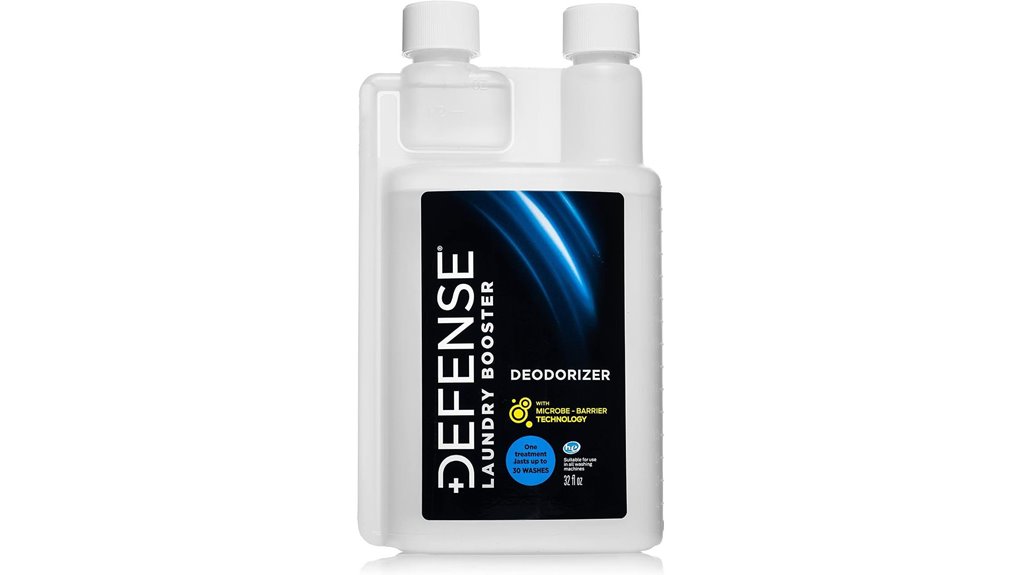
If you’re tracking down antifungal laundry solutions for socks in 2026, Defense Soap Laundry Additive stands out for long-lasting odor and stain protection. You add this 32 oz bottle to your regular detergent, and it supports up to 480 loads. It’s safe for all washing machines, including HE, so you won’t disrupt your routine. It protects clothes, gear, shoes, jerseys, underwear, gloves, and hats, reducing dirt, sweat, grime, and odors over time. The formula is natural, free of fragrances and dyes, and avoids cosmetics, petrochemicals, triclosan, alcohol, and SLS. It preserves wickability in activewear while delivering odor control.
Best For: Best For athletes and active individuals seeking long-lasting odor and stain protection for laundry, including gear and performance fabrics, with a fragrance-free, dye-free formula.
Pros:
- Covers up to 480 loads per 32 oz bottle
- Safe for all washing machines, including HE
- Odor and stain protection without fragrances or dyes
Cons:
- May be unnecessary for those who only wash lightly soiled items
- Fragrance-free formula may be less appealing to those who prefer scented detergents
- Requires mixing with regular detergent; not a standalone detergent
Zero Odor Laundry Odor Eliminator, 16oz, Molecular Tech
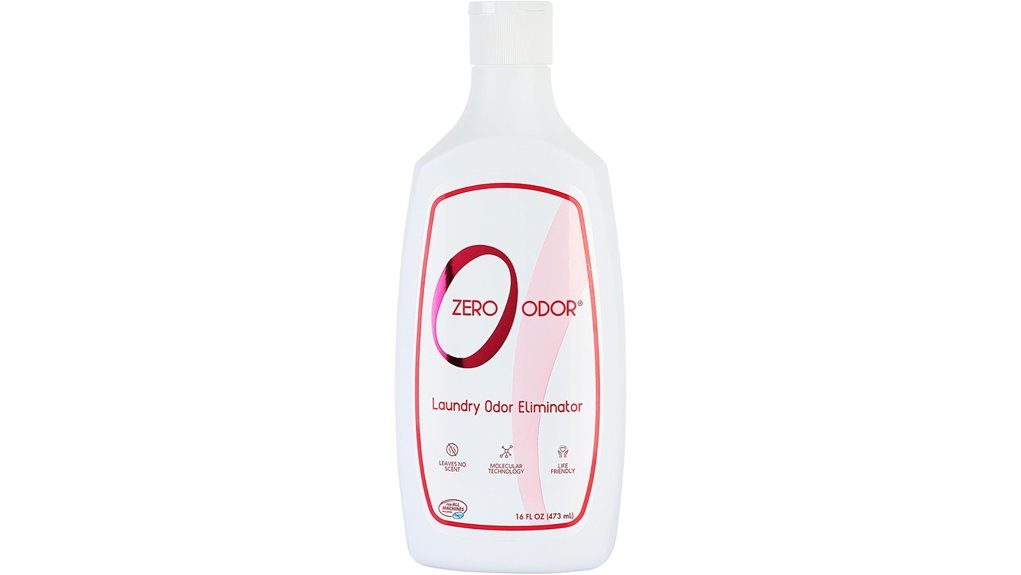
Zero Odor Laundry Odor Eliminator (16 oz, Molecular Tech) stands out for anyone seeking a long-lasting, machine-safe way to eliminate odors across a wide range of fabrics. You use two ounces with your detergent, in any load. It targets odors from athletic wear, pet bedding, smoke, and general fabric odors, while renewing during wash. The patented molecular technology works across clothes, towels, linens, shoes, and bags, and it’s safe for your washing machine and all detergents. You can pair it with rinse-and-refresh for extra fragrance, and it doubles as a fabric sanitizer when used as directed.
Best For: Anyone looking to permanently eliminate odors from a wide range of laundry items, including athletic wear, pet bedding, towels, linens, shoes, and bags, in a machine-safe way.
Pros:
- Effective odor elimination across multiple fabric types and items
- Safe for all detergents and both traditional and HE washing machines
- Can be paired with rinse-and-refresh for added fragrance and doubles as a fabric sanitizer
Cons:
- Requires adding two ounces per load, which may feel extra for small loads
- May be less effective on extremely strong, persistent odors without repeated use
- Only available in a 16 oz size (no larger/smaller options listed)
Mitey Clean All-Natural Laundry Additive – 16 Fl Oz
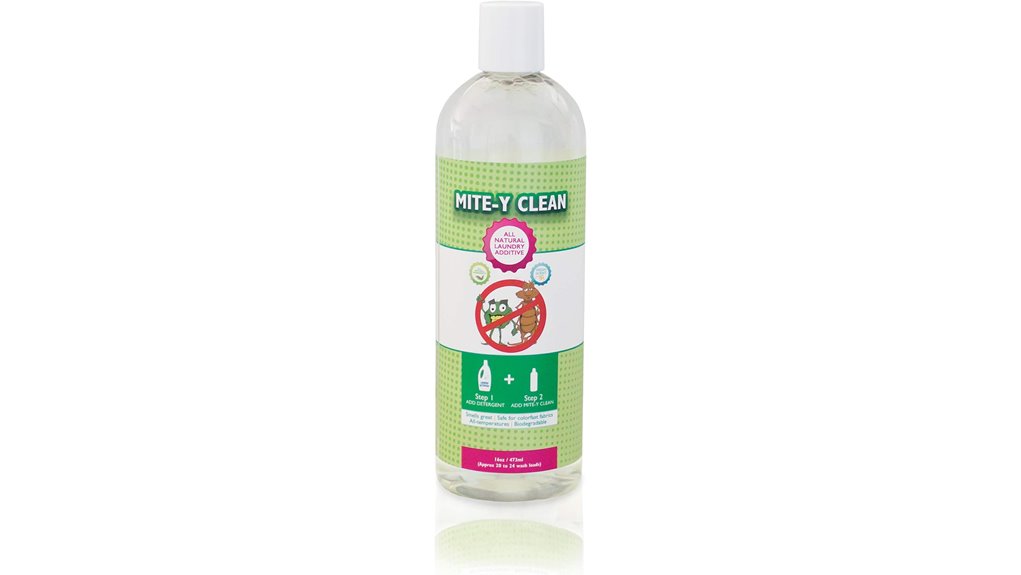
The Mitey Clean All-Natural Laundry Additive (16 Fl Oz) stands out for allergy-conscious users who want a fragrance- and dye-free boost to their laundry routine. You’ll use this concentrated additive with your usual detergent, boosting cleanliness without added scents or colors. It targets allergens—dust mites, pet dander, mold, mildew, and pollen—helping your socks stay fresher and safer. Compatible with any wash temperature, including cold water, it works as a supplement rather than a replacement. The all-natural formula emphasizes safety, offering peace of mind for sensitive users while maintaining effective cleaning in your regular laundry cycle.
Best For: allergy-conscious shoppers seeking a fragrance- and dye-free, all-natural laundry booster that works with any wash temperature and your existing detergent.
Pros:
- All-natural, fragrance- and dye-free formula suitable for sensitive users
- Concentrated additive that boosts cleaning without altering scents or colors
- Effective against common allergens (dust mites, pet dander, mold, mildew, pollen) in any water temperature
Cons:
- May be an additive rather than a standalone detergent solution for heavy staining
- Requires compatibility with existing laundry routine and detergent
- Availability and price not specified in provided notes
Lysol Laundry Sanitizer Additive, 90oz, Odor Eliminator
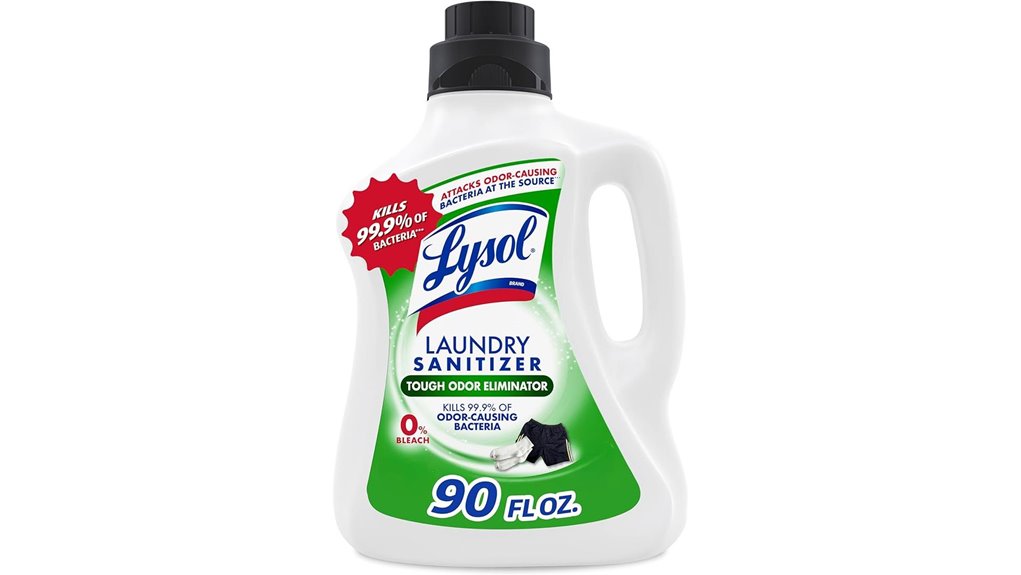
Lysol Laundry Sanitizer Additive stands out for households tackling persistent odors and bacteria in every wash, making it a top pick for active lifestyles or kids’ gear. You add this 90 oz bottle to every load in the fabric softener drawer to sanitize and deodorize smelly laundry, in both standard and HE machines, including whites, colors, and darks, even in cold water. For extra protection, you can run a rinse cycle. It’s not limited to laundry; it also acts as a shoe odor eliminator when used as directed. It kills 99.9% of bacteria and leaves a Crisp Linen scent.
Best For: Active households and families tackling persistent odors and bacteria in laundry, athletic gear, and kids’ clothes.
Pros:
- Kills 99.9% of bacteria and helps deodorize odors in every wash.
- Works with standard and HE machines, in whites, colors, and darks, even in cold water.
- Versatile usage, including as a shoe odor eliminator and for extra odor protection with a rinse cycle.
Cons:
- Odor claims rely on best-case usage; effectiveness may vary with extreme or set-in odors.
- Scent is Crisp Linen, which may not appeal to all users.
- May require adding to every load, increasing product usage and cost for some households.
Factors to Consider When Choosing Antifungal Laundry Additive for Socks
When you pick an antifungal additive, you’ll want strong antifungal efficacy, compatible fabrics, and clear active ingredients so you know what you’re treating. Consider how it handles odor, and how safe it is for your washing machine to avoid jams or warnings. I’ll break down these factors—efficacy levels, fabric compatibility, active ingredients, odor control, and machine safety—for you to compare products easily.
Antifungal Efficacy Levels
Fungal efficacy in laundry additives is measured by how much it reduces colonies or spores on socks after a standard wash, and this varies with concentration, contact time, and formulation. You’ll see different kill rates for fungi like Trichophyton and Candida depending on how much active agent you use and how long it stays in contact. Temperature matters: higher wash temps boost elimination, yet certain formulas perform well in cold water too. Active agents may be contact-based or release-based, affecting sustained action across wears. Real-world effectiveness hinges on your usage: dose per load, wash duration, and detergent compatibility. Remember, some products balance antifungal action with odor control, while others prioritize long-lasting suppression. Align your choice with your typical washing routine and target fungi.
Fabric Compatibility Options
Choosing an antifungal laundry additive means matching it to your socks’ fabrics and how you wash. First, pick additives safe for activewear fabrics that won’t alter wickability or breathable properties. Then confirm compatibility with common sock materials—cotton, polyester, blends, and performance fabrics used in athletic socks—so you don’t trade odor control for comfort. Check that the product states suitability for standard and high-efficiency machines, including cold-water settings, so it fits your laundry routine. If skin sensitivity or odor matters, favor fragrance-free or dye-free formulas. Also verify the additive works with your regular detergent and won’t degrade in-wash performance or leave residue on fabrics. Prioritize options validated for diverse wash cycles and fabric types to maintain sock performance.
Active Ingredients Review
Active ingredients in antifungal laundry additives vary, so pick formulas with proven efficacy against sock fungi while minimizing fabric and skin irritation. You’ll encounter options like tea tree oil, boric acid, zinc undecylenate, and specialized antifungal enzymes that inhibit fungal growth on fabrics. Some products use quaternary ammonium compounds or phenolic blends designed to disrupt fungal cell membranes and curb odor-causing microbes. Remember that concentration matters: too low may miss persistent fungi, too high can damage fabrics or irritate skin. Temperature compatibility matters too; choose additives effective across wash temps, including cold water, so you target fungi in typical sock laundering. Safety data sheets flag irritants, so favor color- and fragrance-free options to reduce skin contact risks for sensitive feet.
Odor Control Effectiveness
To keep socks fresh beyond the wash, focus on odor control effectiveness when selecting an antifungal laundry additive. Look for products that target odor-causing bacteria and fungi in socks, not just general cleaning, to guarantee lasting freshness. Seek proven odor elimination performance in athletic or moisture-prone fabrics, with data showing reduction of sweat-related or gym odor. Prefer formulations that stay effective across wash temperatures, including cold water, so odor control works in every cycle. Favor additives offering long-lasting protection beyond a single wash, reducing recurring sock odors over multiple launderings. Ensure compatibility with high-efficiency machines and activewear fabrics, maintaining odor control without compromising fabric performance. Prioritize evidence-backed claims and clear testing results when comparing options.
Washing Machine Safety
When selecting an antifungal laundry additive for socks, prioritize machine safety by confirming it won’t harm standard or high-efficiency (HE) washers, gaskets, seals, or dispensers. You should ensure the product is safe for both standard and HE machines to prevent damage to delicate components. Verify compatibility with sock fabrics, including moisture-wicking and synthetic materials, without reducing wickability or performance. Check that the additive works across all wash temperatures, including cold water, to accommodate different sock material and soil levels. Confirm the formula is non-corrosive and free from harsh chemicals that could degrade gaskets, seals, or odor-control agents in the drum over repeated use. Look for explicit machine-safe claims and no residue buildup in dispensers or pumps.
Dose And Load Criteria
How much antifungal additive you need per load matters just as much as choosing the right product. Start by checking the dose per load on the label, aligned with your sock load size to avoid under- or over-treatment. Look at the bottle’s load count to estimate washes before reordering. Consider whether dosing scales with load size, so small and heavy/soiled loads still get adequate antifungal activity. Verify compatibility with your washing machine type—standard or high-efficiency—to ensure the dose suits your setup. Also review performance across temperatures and water hardness, since these factors can alter active ingredient delivery per load. By confirming these criteria, you’ll maximize effectiveness and value without guesswork or waste.
Allergen Reduction Benefits
Allergen reduction benefits go beyond just antifungal action: choose additives that actively lower the overall allergen load in sock fabrics. You’ll want products that target mold and mildew spores, reducing airborne and embedded allergens inside fibers. Look for broad claims that include dust mites and pet dander alongside fungi, so you gain a more comprehensive allergen lift. Effective odor control often accompanies moisture removal, helping keep socks fresher as fungi diminish. Verify compatibility with athletic fabrics and high-efficiency washers to protect performance while delivering allergen and fungal reductions. Consider additives with broad-spectrum claims, since this supports a cleaner fabric environment and fewer triggers for sensitive wearers. In short, prioritize multi-target effectiveness that maintains fabric integrity.
Common Questions
Do These Additives Kill Mold on Fabric Surfaces?
Yes, they can kill mold on fabric surfaces when used as directed. You’ll need to follow the product’s dosing and contact time, and ensure the wash setting, water temperature, and cycle are appropriate for mold removal. Note that some molds may need additional treatment before washing, and reoccurrence often indicates moisture or improper drying. Regularly clean your washer, dry socks completely, and store them in a dry, ventilated area.
Are They Safe for Sensitive Skin and Fabrics?
Yes, they’re generally safe for sensitive skin and fabrics when used as directed, though some folks notice mild irritation from fragrances or residual chemicals. You’ll want to test a small area first and choose fragrance-free options if possible. Ironically, you’ll feel oddly spoiled by modern safeguards that keep fibers happy while you go about laundry day. Follow label instructions, rinse thoroughly, and avoid mixing with chlorine bleach for best results.
How Often Should Socks Be Treated for Best Results?
You should treat socks after every use for best results, especially if you’ve had infections or exposure. Dry socks thoroughly, then follow product directions for frequency; many antifungal additives recommend daily treatment during active symptoms and periodic maintenance afterward. If you notice itching, odor, or recurrent issues, increase frequency or switch products. Always test on fabrics first, and avoid overuse, which can irritate skin and wear down fibers. Consider consulting a clinician for personalized guidance.
Can Additives Affect Color Brightness or Fiber Integrity?
Yes, additives can affect color brightness or fiber integrity. Some antifungals may stain fabrics or dull colors, especially with high concentrations or prolonged contact. Others are gentler but still risk weakening fibers over time. Always follow product directions, use the recommended dosage, and test on a hidden area first. As for performance, wash with appropriate water temperature and cycle. It’s a fine balance—don’t push it, or you’ll pay later. Hit a sweet spot, and you’ll be fine.
Do Any Require a Pre-Soak or Long Wash Cycle?
Yes, some antifungal additives benefit from a pre-soak or longer wash cycle. If you’re dealing with heavy mold or mildew, pre-soaking helps loosen buildup before a hot, extended wash. For milder foot odor or sporadic cases, a standard wash with a longer cycle can suffice. Check product directions—many specify pre-soak times or cycle lengths. Avoid high heat unless the label allows, to protect fabrics and ensure effectiveness.