
You’re ready to tackle fungus-prone feet with socks that wick, ventilate, and resist odor, but not all options perform the same. You’ll want materials, construction, and care tips that maximize dry, comfy feet without sacrificing durability. The 2026 lineup blends high-needle builds with breathable panels and anti-odor tech—yet the best choice hinges on your activities and climate. Curious which pair fits your routine and keeps you moving without irritation?
Key Points
- Choose moisture-wicking socks with anti-odor treatment to reduce fungal-friendly moisture buildup during wear.
- Look for full-cushion or reinforced cushioning with secure arch support to minimize friction and heat.
- Favor breathable designs with mesh panels or ventilation channels for rapid evaporation.
- Prefer seamless toe closures and reciprocated heel/toe for reduced irritation and moisture pockets.
- Prioritize durable fabrics (high-needle construction) and clear care guidance to maintain moisture management over time.
Dickies Men’s Dri-Tech Essential Moisture Control Crew Socks (6 & 12 Pairs)
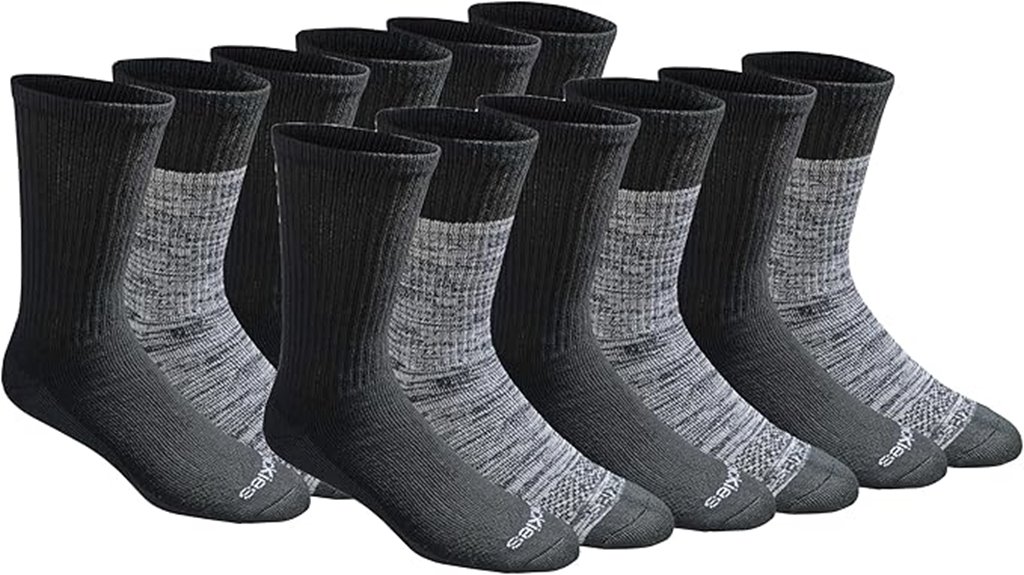
If you’re battling fungal issues and need reliable moisture control, Dickies Men’s Dri-Tech Essential Moisture Control Crew Socks (6 & 12 Pairs) are a strong pick. You’ll experience moisture-wicking Dri-Tech fibers that keep feet dry, plus full cushion comfort for daily wear. Ventilation channels are engineered to boost air circulation and moisture management, helping reduce dampness. The fit feels secure thanks to arch compression and in-step support, while the reciprocated heel and toe deliver a superior fit. Choose between 6 pairs or 12 pairs to outfit your rotation with reliable, breathable moisture control.
Best For: athletes and everyday wearers seeking reliable moisture control, comfort, and a secure fit for all-day use.
Pros:
- Moisture-wicking Dri-Tech fibers keep feet dry
- Full-cushion comfort for daily wear
- Arch compression and in-step support for a secure feel
Cons:
- May be thicker than ultra-light sock options for tight shoes
- Materials focused on moisture management; may not suit extreme heat
- Availability limited to 6 or 12 pair packs, not individual pairs
Hylaea No Show Anti-Blister Wicking Socks
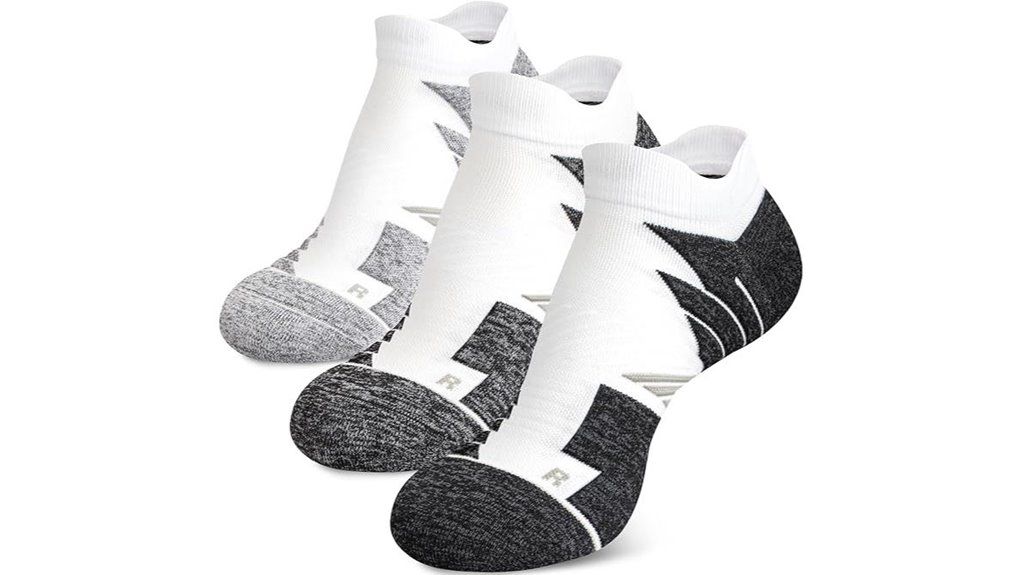
Hylaea No Show Anti-Blister Wicking Socks stand out for runners and active folks who want a breathable, no-blister experience without sacrificing fit. You get anti-blister cushioning, absorbent CoolMax fibers, and seamless toe closure to minimize irritation. The compressive arch support stabilizes your stride, while the no-show design with mesh instep vents keep feet cooler during workouts. With a 200-needle knit, you enjoy softer, denser fabric that stays shape after many washes. This three-pair, low-cut option suits adults and youth across sizes, offering moisture-wicking, anti-odor performance for running, golf, tennis, and gym sessions.
Best For: runners and active individuals seeking anti-blister, breathable no-show socks with a secure, cushioned fit and moisture-wicking performance.
Pros:
- Anti-blister cushioning and seamless toe reduce irritation during runs and workouts
- Compressive arch support stabilizes the stride and helps reduce fatigue
- Moisture-wicking CoolMax fibers with mesh instep vents keep feet cooler and drier
Cons:
- Available in a three-pair pack only (no single-pair option)
- Sizing may vary between men and women; some users may need to reference the size chart carefully
- Limited color and style options (only black, no other colors currently listed)
Titanium Odor-Blocking Sports Ankle Socks for Athletes
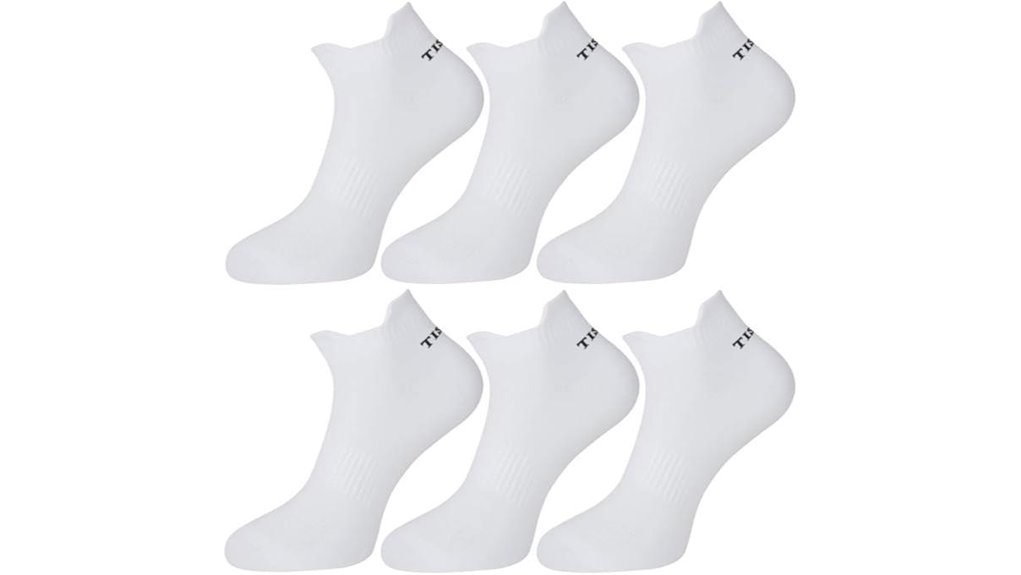
The Titanium Odor-Blocking Sports Ankle Socks are designed for active athletes who want reliable odor control and fast moisture management in a lightweight, breathable option. You get unisex sizing with options: Quarter Crew, Ankle, and No Show, fitting Womens 6-12 and Mens 6-12 or 6-11, depending on style. Titanium in the yarn releases negative ions to reduce odor and infrared rays to stay warm and dry for extended wear, even after 50 washes. Mesh tops boost breathability while polypropylene wicks one-way perspiration. For fungus and deodorization goals, wear after washing, and follow care guidelines for best results. If concerns arise, contact the seller.
Best For: athletes and active individuals seeking odor control and fast moisture management in lightweight, breathable socks with unisex sizing.
Pros:
- Titanium-injected yarn claims to reduce foot odor and help keep feet warm and dry.
- Mesh top enhances breathability; polypropylene provides one-way moisture wicking.
- Available in multiple lengths (Quarter Crew, Ankle, No Show) to fit different shoe styles and preferences.
Cons:
- Odor control and fungus claims are promotional; individual results may vary.
- Care requirements (machine wash warm, avoid chlorine bleach, tumble dry low) may be stricter than some socks.
- Effects are stated to persist up to 50 washes; real-world durability may differ per user.
Dickies Dri-tech Moisture Control Crew Socks (12 Pairs)
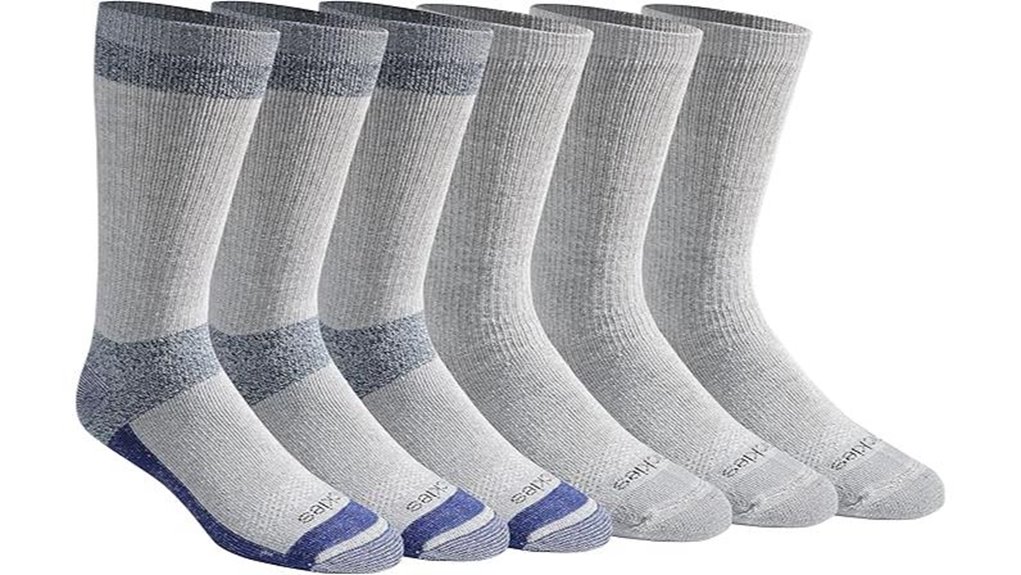
Dickies Dri-tech Moisture Control Crew Socks (12 Pairs) stand out for anyone needing reliable moisture management on the job or during routines that invite sweating. You get moisture-wicking fibers that keep feet dry, plus ventilation channels that boost air circulation when you heat up. The comfort fit includes arch compression to support your in-step and keep the sock in place. Reciprocated heel and toe deliver a superior fit, while full-cushion crew height adds cushioned comfort for long days. Built to endure heavy use, they’re part of Dickies’ hard-duty work line, backing durability with over a century of workwear expertise.
Best For: Those who need reliable moisture management and durable, all-day comfort in tough work or active environments.
Pros:
- Effective moisture-wicking fibers keep feet dry during long shifts or sweaty activities
- Ventilation channels enhance breathability and air circulation
- Reciprocated heel/toe and full-cushion design for a secure fit and lasting comfort
Cons:
- May feel bulky for those who prefer minimal cushioning
- Sizing available only from M to XL (limited smaller sizes)
- Might be pricier than basic work socks for some budget-conscious buyers
Factors to Consider When Choosing Moisture Wicking Socks for Fungus
When you choose moisture-wicking socks, start with fabric moisture management to keep feet dry and reduce fungal risk. Consider breathability, ventilation, and how well the material moves sweat away from your skin, plus anti-odor tech to stay fresh. Don’t overlook cushioning, support, fit, and ankle style for comfort and secure wear during active use.
Fabric Moisture Management
Choosing socks with true moisture management starts with the fibers. Look for moisture-wicking fibers like CoolMax or similar synthetics that move perspiration away from your skin, keeping feet dry during activity. Prefer fabrics that enable one-way moisture transport and include breathable mesh or ventilation channels to boost airflow and evaporation. Higher yarn density and multi-needle knitting yield softer, denser fabric, improving moisture management and durability. Full-cushion and arch-support designs help maintain a secure fit, reducing friction and sweat buildup in high-movement areas. Odor-control features, such as anti-odor weaving or ion-release technologies, complement moisture management by targeting microbial growth in damp conditions. Combine these elements for socks that perform under fungus-prone environments and long workouts.
Breathability And Ventilation
Breathability and ventilation are key to keeping feet cool and dry, especially when fungus is a concern. You’ll want socks with ventilation channels or a mesh instep that promote air circulation, helping moisture move away from the skin. Low-profile or no-show designs further improve breathability by reducing material coverage and aiding heat and moisture dissipation. A higher knit density, like 200-needle knitting, creates softer fabrics that balance airflow with durability, supporting overall ventilation. Mesh construction on the upper part of the sock increases airflow to the top of your foot, assisting moisture evaporation. Pair breathable fabrics with moisture-wicking fibers to maintain a drier environment, which can reduce fungal growth risk. Choose options prioritizing airflow without sacrificing fit.
Anti-Oodor Technology
Ever wondered how anti-odor tech enhances moisture wicking for fungal concerns? Anti-odor tech in socks often relies on antimicrobial fibers or odor-neutralizing agents to inhibit microbes that cause foot odor. Some systems release ions or use minerals, like titanium, to reduce odor molecules at the source. Moisture-wicking fabrics paired with anti-odor treatment help keep feet drier, which can cut down the environment fungi thrive in. Seams, toe closures, and mesh ventilation influence odor retention by reducing moisture pockets and skin irritation that fungi exploit. The effectiveness of anti-odor claims may persist across multiple washes, but performance can vary with washing conditions and fabric composition. Choose socks with proven, durable anti-odor guidance and compatible moisture management for fungal concerns.
Cushioning And Support
When selecting moisture-wicking socks for fungal concerns, prioritize cushioning that protects your feet without trapping heat. Look for full cushion or extra padding to reduce impact during activity, which helps prevent irritation and pressure that worsen fungal symptoms. Seek cushioning that maintains a secure fit, such as in-step or arch compression, to minimize movement that can cause friction and open pathways for moisture. Ensure cushioning is balanced with breathable construction—ventilation channels or mesh panels—to avoid heat buildup that promotes fungal growth. Prefer socks with reinforced heel and toe areas to reduce blistering and maintain sock integrity under repetitive use. Consider moisture-wicking fibers paired with cushioned, seamless designs to keep feet dry while reducing skin breakdown where fungus may thrive.
Fit And Ankle Style
Choosing the right fit and ankle style is key to controlling moisture and preventing fungus flare-ups. Start with secure arch support and in-step stability to stop slipping that exposes skin to moisture and creates fungal-prone areas. If you wear sneakers with little fabric coverage, opt for no-show or ankle styles to reduce heat and sweat buildup around the feet. Aim for a snug yet breathable fit so moisture stays controlled without cutting off circulation, which helps minimize sweat that promotes fungi. Prioritize seamless toe construction to lower friction and micro-tears that can harbor fungus in damp conditions. Favor socks with moisture-wicking fibers and ventilation features—mesh insteps and ventilation channels keep feet drier during activity.
Durability And Wear
Durability matters just as much as fit when selecting moisture-wicking socks for fungus-prone feet. You’ll notice durable socks use high-needle knitting (around 200-needle construction) to create a softer, denser fabric that survives many washes without losing elasticity. Reinforced features like reciprocated heel and toe plus arch compression help maintain shape and reduce fiber stress, extending wear. Full-cushion or extended cushioning designs deliver lasting comfort under repeated use, boosting endurance during workouts and long days. Ventilation channels and a mesh instep improve airflow, lowering moisture buildup that can degrade fabric over time. Odor- and fungus-targeted claims, while common, hinge on fiber quality and care practices; durability ultimately depends on construction and how you wash and dry them.
Care And Maintenance
Care and maintenance can make or break moisture-wicking socks for fungus-prone feet. After each use, wash them to remove sweat and odor-causing bacteria, following the care labels for temperature and cycle settings. Avoid fabric softeners and high-heat drying, since these can reduce moisture-wicking performance and elasticity over time. Air-dry or tumble dry on low heat to preserve mesh ventilation and cushioning without degrading fibers. Check for seamless toe closures and reinforced heels, as these features reduce friction and skin irritation during washing and wear. Inspect socks for pilling or thinning after multiple washes, and replace when moisture management or fit noticeably declines. Proper care extends performance, comfort, and foot health when combating fungus-prone conditions.
Common Questions
How Often Should Moisture-Wicking Socks Be Replaced for Fungal Care?
You should replace moisture-wicking socks every day you wear them, especially if you notice odor, dampness, or irritation. Think of it like tending a quiet garden: neglect invites mold, so fresh, clean fibers guard your steps. If you reuse socks, wash promptly in hot water and dry thoroughly, then reassess daily based on sweat levels. In persistent damp conditions, swap more often to protect your feet and overall skin health.
Do Socks With Antimicrobial Traits Prevent Fungal Infections Completely?
No, socks with antimicrobial traits don’t prevent fungal infections completely. They can reduce risk and control odor, but fungi can still grow if conditions remain moist or contaminated. You should keep feet clean and dry, change socks daily, and wash them properly. Look for socks with proven antimicrobial finishes and breathable fabrics. If symptoms appear, seek medical advice promptly, and don’t rely solely on socks for infection prevention or treatment.
Can Moisture-Wicking Fabrics Worsen Fungal Conditions in Some Cases?
Yes, moisture-wicking fabrics can worsen fungal conditions in some cases. If you trap sweat and heat against bare skin, fungi thrive and your feet start hosting tiny parties you didn’t RSVP to. Choose breathable, clean fabrics, change socks promptly, and dry thoroughly after workouts. Don’t overuse antimicrobial socks as a shield; they won’t fix underlying moisture issues. Keep feet clean, dry, and ventilated to curb fungal growth effectively.
Are There Sock Materials to Avoid for Fungal Environments?
Yes, you should avoid wool blends and certain synthetics like nylon or plastic-based fibers in fungal environments. They trap moisture and heat, fueling growth. Opt for breathable, moisture-wicking materials such as high-quality cotton blends or merino with breathable mesh zones. Look for labels indicating moisture management and antimicrobial treatment, and aim for socks that stay dry. Change socks promptly if they get damp, and rotate pairs to prevent prolonged dampness.
Do All Moisture-Wicking Socks Work Equally Well for Fungal Prevention?
You’re right to wonder if all moisture-wicking socks work the same for fungal prevention. Not exactly: effectiveness depends on material, fit, and care. Look for socks with breathable yarns, antimicrobial treats, and good moisture dispersion. Avoid cotton-heavy blends, which trap dampness. You’ll want to change socks daily, dry feet thoroughly, and rotate pairs. In short, choose purpose-built, breathable options, not just any wicking pair, and you’ll stay ahead of fungi. It’s a game changer.