
You may not realize that most home LED nail fungus devices target both blue and infrared light for faster, clearer results, yet they also rely on short, auto-off sessions to fit busy schedules. As you weigh options for 2026, consider how multi-nail coverage, portability, and hygienic design affect your routine. Curious which models offer 3/5/10-minute presets and reliable fingernail plus toenail use? Let’s explore the top picks and how they fit your regimen.
Key Points
- Compare 5 top LED nail fungus devices released or updated for 2026, focusing on blue/infrared light spectra and multi-nail coverage.
- Highlight session length, frequency, auto-off features, and typical 2–3 month early results vs. 12–18 month full growth cycle.
- Note device specifics: number of LEDs, simultaneous nail treatment, portability, and charging/plug-in options.
- Emphasize hygiene, sterilization steps, and maintenance requirements to prevent cross-contamination.
- Include typical timelines and what “meaningful results” look like at 2–3 months and 3–6 months.
Toenail Fungus Device for Home Use (Blue)
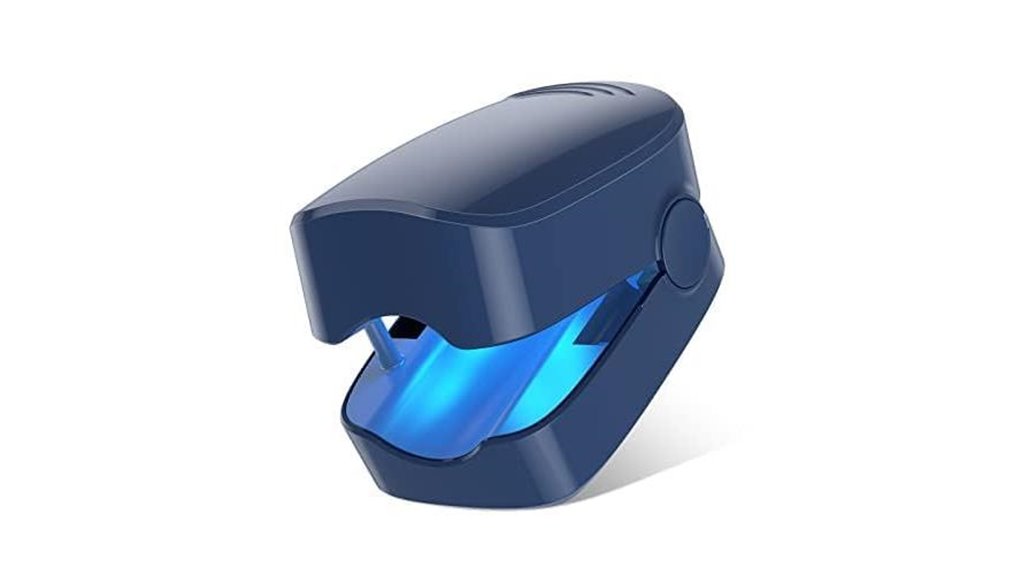
For home use, the Toenail Fungus Device for Home Use (Blue) stands out if you want a safe, at-home solution that’s simple to operate and proven to combat discoloration and thickened nails—without harsh side effects. You’ll use it twice daily for 7 minutes per session, and you can expect meaningful results in 2–3 months. It’s easy to follow—the device handles the rest once you follow the included instructions. In safety terms, it’s a reliable, side-effect-free option that won’t discolor nails or hurt skin. The normal state combines three blue light beads with one infrared bead for effective therapy.
Best For: Individuals seeking a safe, at-home solution for discolored and thickened toenails that is easy to use and claims to deliver results in a few months.
Pros:
- Safe, side-effect-free home treatment
- Simple to operate with a guided 7-minute, twice-daily regimen
- Targets nail discoloration and thickening without harming skin or nails
Cons:
- Results may vary; typically 2–3 months to see meaningful changes
- Requires regular use and adherence to instructions
- Not a medical device; efficacy may depend on individual factors and diagnosis by a professional
Nail Fungus Laser LED Light Device (White)
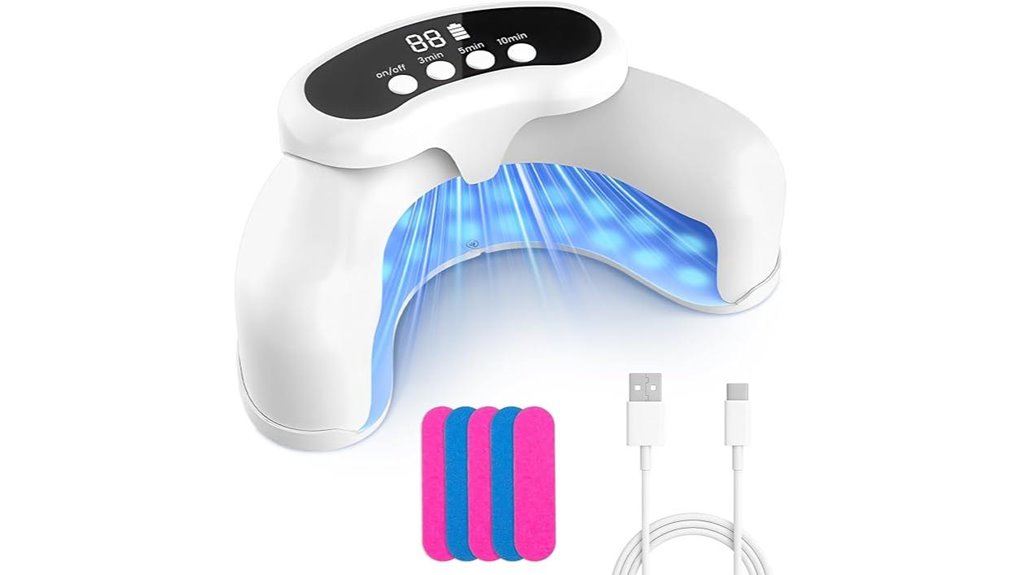
If you’re seeking a laser-LED treatment that targets persistent toenail fungus while offering a portable, rechargeable option, the Nail Fungus Laser Treatment LED Light Device (White) stands out. This device uses 910 nm infrared plus 407 nm blue light to heat the nail plate to 43–51°C, producing a thermal effect. Use it 7 minutes per session, twice daily, for 3 months. Results unfold over the 12–18 month toenail growth cycle, with consistency key. It’s suitable for those who can’t take oral meds. Maintain hygiene by sterilizing clippers, and expect short-term invisibility of the light. Regular trimming aids progress. Continuous use is essential.
Best For: Those seeking a portable, rechargeable solution for persistent toenail fungus who cannot take oral medications and are prepared for a long treatment cycle.
Pros:
- Non-oral treatment option suitable for individuals with liver/kidney concerns or medication sensitivities.
- Portable, rechargeable device that can be used at home with a defined 7-minute twice-daily regimen.
- Clear guidance on hygiene and maintenance to minimize contamination and support progress.
Cons:
- Requires long-term, consistent use over 12–18 months to match the toenail growth cycle.
- Light is infrared (not visible) and the treatment’s visible effects may not appear early.
- Results depend on adherence; effectiveness relies on continuous use and proper nail care.
Home Toenail Repair: 3 Modes, Auto-Off (3/5/10 min)
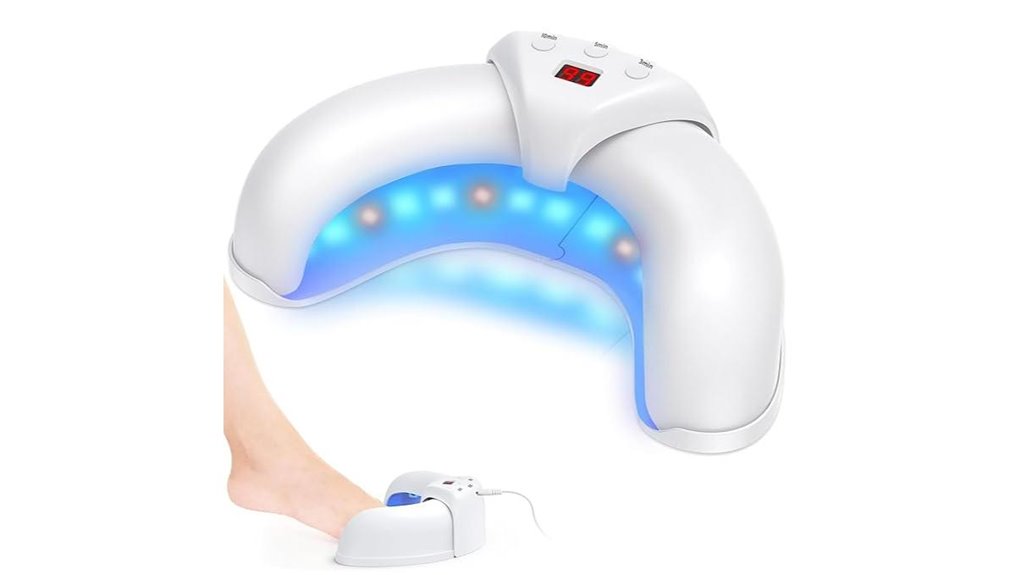
With three preset treatment modes (3, 5, and 10 minutes) and an auto-off feature, this Home Toenail Repair device fits daily routines without extra guesswork, making it a strong pick for anyone targeting discolored or thickened nails. You’ll run bi-daily 10-minute sessions, aided by automatic shutoff for seamless scheduling. The device treats multiple fingernails and toenails at once, delivering high surface contact (95%) and full-conditioning sessions. Field tests show 83% of regular users notice a difference within 60–90 days when following the routine. It addresses discoloration and thickening, supporting regular use for visible nail-health improvements.
Best For: Individuals seeking a convenient, auto-shutoff toenail treatment device to improve discolored or thickened nails with a simple bi-daily routine.
Pros:
- Auto-off feature simplifies scheduling and daily use
- Treats multiple nails simultaneously with high surface contact (95%)
- Clear, preset 3/5/10 minute modes for flexible treatment lengths
Cons:
- Results based on field tests; individual outcomes may vary
- Requires commitment to bi-daily 10-minute sessions for best results
- No pricing or rating details provided in this overview
Nail Fungus Light Device for Nails (White)
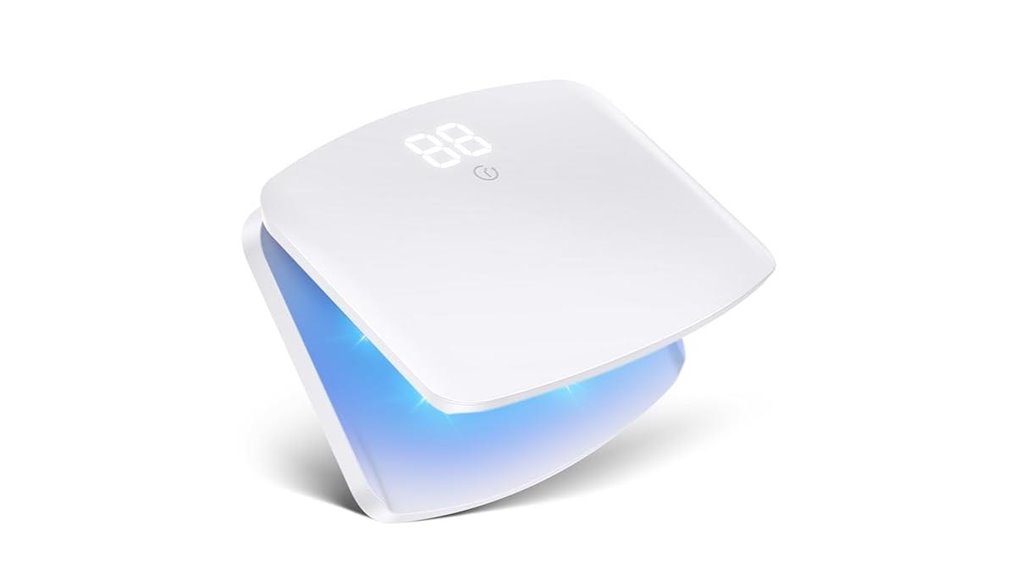
The Nail Fungus Light Device for Nails (White) stands out for home use, offering a dual-band approach with 470 nm blue and 910 nm infrared light to penetrate the nail plate and bed without altering nail growth or shape. You’ll treat multiple fingernails and toenails safely at home, restoring appearance of discoloration or damage. The device uses blue and infrared light that penetrates damaged nail areas to address fungus and related problems without changing nail structure. Expect safe, effective results with no known side effects, with visible improvements after two to three months depending on usage frequency. Use at least twice daily for best results.
Best For: Individuals seeking a home-use, dual-band light therapy solution to address nail fungus and related nail discoloration or damage across multiple fingernails and toenails.
Pros:
- Dual-band technology (470 nm blue + 910 nm infrared) for penetrating damaged nail areas without altering nail growth.
- Safe for home use with no known side effects and simple “on/off” operation.
- Visible improvements expected after two to three months with consistent use.
Cons:
- Requires regular use (at least twice daily) for best results, which may be time-consuming.
- Effectiveness can vary based on severity of nail condition and adherence to treatment.
- Results may take several months to become noticeable, requiring patience.
Nail Fungus Device for Toenails & Nails (White)
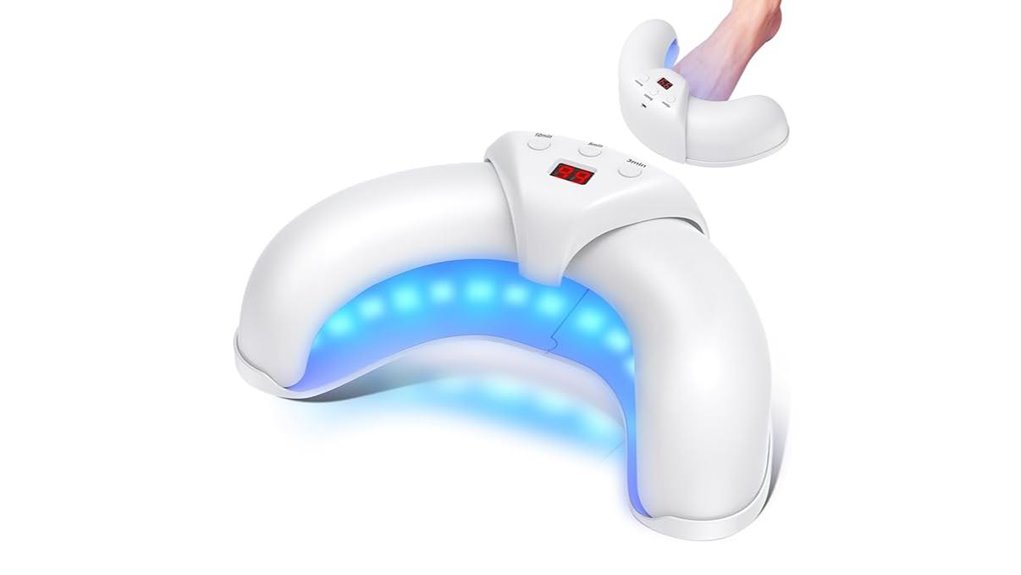
For a home solution that treats multiple nails at once, this Nail Fungus Device for Toenails & Nails (White) stands out with its 18-LED array delivering both 470 nm blue light and 905 nm infrared light. This non-laser device targets onychomycosis, aiming to restore healthy nails by penetrating the damaged nail plate. Its larger size treats all fingers and toes simultaneously, yet remains compact and portable for travel. Use requires plugging in and charging, with a prep of clean hands and trimmed nails. Place each finger/toe in the gaps for 10 minutes, then it auto shuts off. Recommended: twice daily, 10 minutes per session.
Best For: Individuals seeking a home-use, non-laser treatment to address onychomycosis across multiple nails simultaneously.
Pros:
- Treats all fingernails and toenails at once with an 18-LED array.
- Non-laser, gentle on nails and suitable for home use and travel.
- Auto shut-off after 10 minutes with a simple plug-in operation.
Cons:
- Requires being plugged in and regularly charged for use.
- Time commitment of twice-daily sessions (20 minutes per day).
- Results typically visible after several weeks to months, requiring consistent use.
Factors to Consider When Choosing Led Nail Fungus Therapy Device
When choosing a LED nail fungus device, consider the light type and wavelengths to ensure effective coverage for affected nails. Look at treatment duration per session, safety and potential side effects, and whether the device can treat all nails consistently. Also weigh maintenance, hygiene needs, and how easy it is to clean, plus whether it fits your nails and home routine.
Light Type And Wavelengths
Choosing the right light type and wavelength matters for effective nail fungus therapy, and many devices offer blue light, infrared, or a combination of both. You’ll see blue visible light around 405–470 nm, aimed at fungal factors in the nail plate. Infrared wavelengths, typically 850–940 nm, raise tissue temperatures for a therapeutic effect. Some devices pair 470 nm blue with 905–910 nm IR to deliver dual-wavelength therapy in one session. Visible versus invisible light affects safety considerations and whether exposure is perceptible during treatment. If you prefer discreet therapy, IR is invisible but still delivers heat. If you want targeted fungal disruption, blue light provides direct action on the nail plate. Dual LEDs can simplify the process, though ensure the device delivers both wavelengths consistently for balanced therapy.
Treatment Duration Per Session
Finding the right per-session duration matters because it directly affects how consistently you can follow a treatment plan. Most devices use 7 to 10 minutes per session, with about twice-daily use. Some models auto-shut off after 3, 5, or 10 minutes, while others need you to time it manually. Short daily sessions of 7–10 minutes are common, but all-in-one devices may suggest longer protocols up to 10 minutes. Plan for consistent use over months, typically 2–6, to notice improvements. Match the time per session to the recommended regimen—for example, 7 minutes twice daily or 10 minutes twice daily—to maintain effectiveness. Alignment between duration and schedule is key for reliable results over your treatment course.
Safety And Side Effects
What safety features matter most, and how do they reduce risk? You’ll find devices marketed for home use with no known side effects when you follow directions. Many models specify non-laser light—blue and infrared LEDs—instead of laser beams to lower tissue damage risk. Safety notes often include sterilization guidelines for nails and tools to prevent contamination. Visible light components, like 470 nm blue and 910 nm infrared, replace ionizing radiation to minimize systemic risk. Reported short-term reactions are rare, and manufacturers emphasize consistent use over weeks to months for meaningful results. When choosing, verify clear usage instructions, built‑in timers, and easy sterilization steps, so you can confidently manage treatment while reducing any potential irritation or contamination concerns.
Coverage For All Nails
Coverage matters when you’re treating multiple nails at once. Some devices are designed to treat several nails simultaneously, offering broader coverage than single-nail models. Larger-capacity units with 18 LEDs can address all fingers and toes at once, cutting treatment time per nail. Auto-shutoff features help ensure consistent session lengths when you’re working across multiple nails. Portability and a compact design influence how practical coverage is for hands and feet as a whole. Regular use across all affected nails is typically recommended to achieve visible improvements within weeks to months. When choosing, look for multi-nail capability, sufficient LED count, and reliable shutoff. A balance of coverage, speed, and convenience will help you stay compliant and see results sooner.
Maintenance And Hygiene
Maintenance and hygiene are essential for safe, effective results; with proper care, your device lasts longer and stays sanitary between uses. To minimize contamination, clean and sterilize tools before you start, disinfecting nail clippers and washing hands and feet. Keep nails short and trim horizontally to reduce debris and improve light penetration. Regularly sterilize any accessories used with the device to prevent cross-contamination between nails. Follow device-specific maintenance steps, ensuring proper charging or plug-in use and avoiding moisture exposure to electronic components. Monitor hygiene daily—address any signs of irritation or infection promptly and discontinue use if adverse skin reactions occur. Consistently practicing these steps helps you maintain a safe, effective treatment environment and prolongs device integrity.
Visible Results Timeline
Visible results with LED nail fungus therapy vary by device and nail condition, but most users see improvements after about 2–3 months of consistent use. You may notice early changes within 4–6 weeks with certain models, though full results often require 3–6 months depending on nail health and growth. For faster progress, choose devices that support twice-daily sessions of 7–10 minutes, then maintain steady use. Keep in mind that longer-term nail health aligns with the 12–18 month toenail growth cycle for complete renewal. Device features like auto-shutoff or preset durations (3, 5, or 10 minutes) can help sustain regular sessions and shape perceived speed of results. When evaluating options, prioritize consistent output, user-friendly dosing, and alignment with your nail growth timeline.
Portability And Convenience
Considering portability and convenience can dramatically influence your consistency, look for a compact, lightweight device that’s easy to carry and store for travel or on-the-go use. Choose a plug-in design with a rechargeable option to ensure steady power without frequent battery changes. Auto-shutoff and preset session lengths (7–10 minutes) simplify your daily routine and prevent overuse. A larger multi-nail treatment device minimizes switching between nails, boosting overall ease. Examine batteries and charging needs, and confirm the unit can perform reliably at home, in a clinic, or while traveling. Also assess how compact accessories fit in your bag or case and whether the device supports quick setup on different surfaces. With thoughtful portability, you’ll maintain consistent treatment without added hassle.
Common Questions
Are LED Devices Proven Effective for Toenail Fungus?
Yes, they’re not proven to cure toenail fungus for everyone. You’ll see mixed results, with some users reporting gradual improvement and others noting little change. You glimpse a faint light in the tunnel, then another stubborn patch returns. You stay hopeful, following a regimen, but remain cautious. You keep notes, consult a clinician, and consider combining LED therapy with antifungal treatments for a better shot. If symptoms worsen, you stop and reassess.
How Often Should I Use the Device per Week?
You should use the device about 3 to 5 times per week, unless your clinician says otherwise. Start with shorter sessions to see how your nails respond, then gradually increase to the recommended range. Be consistent for several weeks, and don’t skip days. If you notice irritation, redness, or no improvement after 8–12 weeks, pause and consult a professional. Combine with good foot hygiene for best results.
Can LED Therapy Prevent Reinfection After Treatment?
Yes, LED therapy can help reduce reinfection risk by maintaining healthier nails and discouraging fungal regrowth alongside proper hygiene. To maximize protection, keep treatment consistent per your provider’s plan, complement it with clean, dry nails, avoid sharing tools, and disinfect footwear. If you notice new symptoms, resume or adjust sessions as advised. Remember, LED therapy isn’t a guaranteed shield; combine it with ongoing preventive care for best results.
Do These Devices Require Medical Supervision?
These devices don’t usually require a doctor to supervise every use, but you should talk to a professional if you have diabetes, poor circulation, or a skin infection. Follow the manufacturer’s guidelines, start with lower exposure, and monitor your nails for changes. If you notice pain, redness, or worsening fungus, stop and seek medical advice. Regular check-ins help guarantee you’re using it safely and effectively, keeping your treatment on track.
Are There Any Common Side Effects or Sensitivities?
Yes, you can notice mild side effects like temporary warmth, redness, or tingling after use. Some folks experience slight nail or skin sensitivity, especially if you have thin skin or preexisting sensitivities. To minimize issues, start with shorter sessions, avoid broken skin, and space treatments. If irritation persists, discontinue and consult a clinician. Don’t exceed recommended duration or frequency, and watch for any allergic reactions to gels or cleansers used with the device.