
You might doubt that an antifungal nail foam can make a real difference, yet the right option can simplify treatment without harsh regimens. In 2026, the top picks blend natural oils, undecylenic acids, and plant extracts for easy, at‑home care. Curious which ones fit your nail condition and lifestyle? Here are five standout treatments to compare, plus key factors to consider before you choose.
Key Points
- The 5 options include pen, brush+file kit, extra-strength liquid, plant-extract formula, and a clear gel suitable under polish, covering various nail types and severities.
- Choose based on nail scope: thicker/thick yellowed nails benefit from undecylenic acid formulas; lighter cases suit plant-extract or gel varieties.
- Application is quick and targeted (2–3 drops or twice daily) with fast drying times for minimal transfer risk.
- All are USA-made options with natural oils (tea tree, oregano, jojoba, lavender, vitamin E) and fragrance/paraben-free variants.
- Long-term use guidance: 8–12 weeks visible improvements, with multi-month supplies and eligible HSA/FSA options for some products.
Footcure Antifungal Nail Treatment Pen with Tea Tree Oil
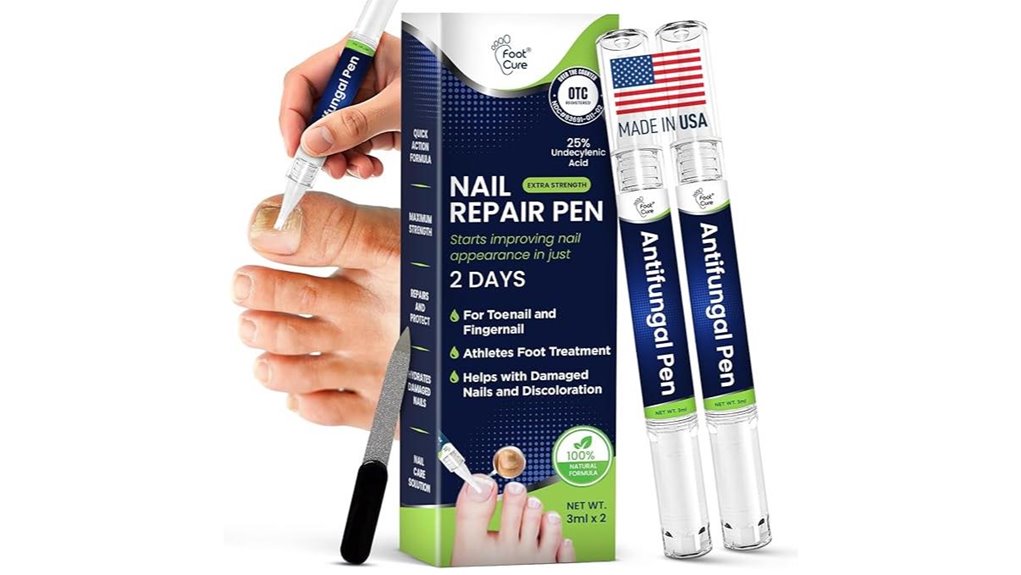
Footcure Antifungal Nail Treatment Pen with Tea Tree Oil is a compact, ready-to-use option for at-home nail care, making it ideal if you want an all-in-one pen with natural antifungal power. You apply the Nail Repair Pen to toenails twice daily, and the treatment runs 15–30 days depending on thickness. The formula blends tea tree and oregano oils to nourish and support healthy-looking nails and skin, leaving nails feeling smooth and refreshed. Designed for painless application, it targets toenails, fingernails, and athlete’s foot, offering home-use care that promotes appearance improvement. Made in the USA with a natural oil blend.
Best For: Individuals seeking a natural, at-home antifungal treatment for toenails, fingernails, and athlete’s foot that is easy to apply and made in the USA.
Pros:
- Natural blend of tea tree oil and oregano oil for antifungal and nourishing benefits
- Easy, painless application with a compact pen design for convenient use
- Targets multiple areas (toenails, fingernails, athlete’s foot) for home-care consistency
Cons:
- May require 15–30 days of use to see results depending on nail thickness
- Effectiveness can vary based on skin/nail condition and adherence to routine
- Not a replacement for medical advice if fungal infection is severe or persistent
Toenail Fungus Treatment Kit with Brush and File
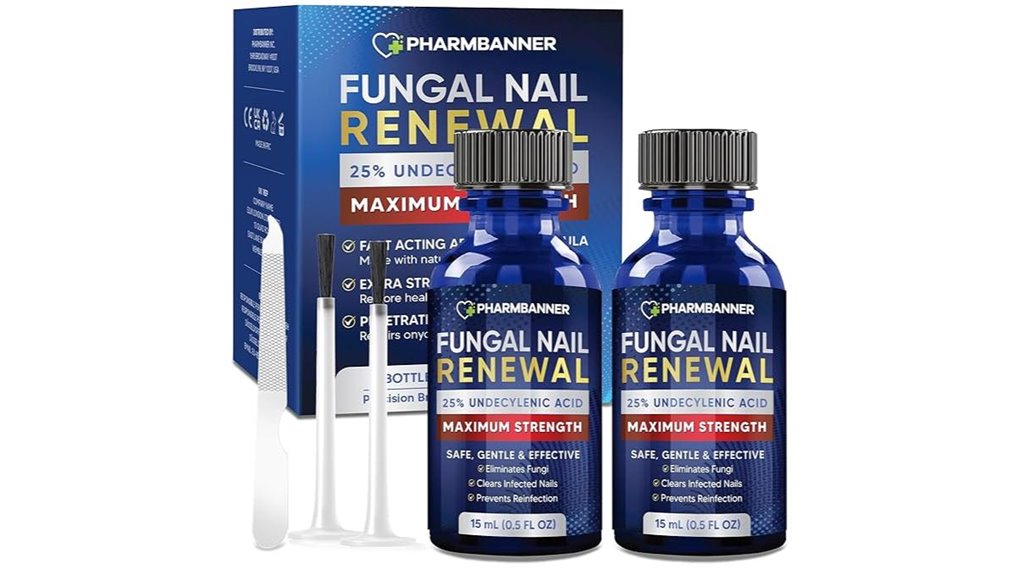
If you’re dealing with thick or yellowing nails, the Toenail Fungus Treatment Kit with Brush and File stands out for delivering a thorough at-home solution: two precision brushes plus a nail file guarantee precise, hygienic application to both toenails and fingernails, reaching around cuticles and under edges for targeted penetration. This kit centers on a maximum-strength formula with 25% undecylenic acid, a recognized antifungal ingredient. It includes two bottles, brushes, and a file for easy, quick-dry use on nails affected by moisture or irritation. A nourishing blend—tea tree, jojoba, lavender, and vitamin E—supports healthier-looking nails over time.
Best For: Those dealing with thick or yellowing nails seeking a thorough at-home solution for toenail and fingernail care with a strong antifungal formula and nourishing oils.
Pros:
- Includes two precision brushes and a nail file for hygienic, targeted application
- Maximum-strength formula with 25% undecylenic acid for antifungal action
- Nourishing blend (tea tree, jojoba, lavender, vitamin E) supports nail recovery over time
Cons:
- May take several weeks of consistent use to see noticeable improvements
- Strong formula may cause mild sensitivity for some users
- Requires regular at-home application and diligence for best results
Foot Cure Toenail Fungus Treatment with Tea Tree Oil
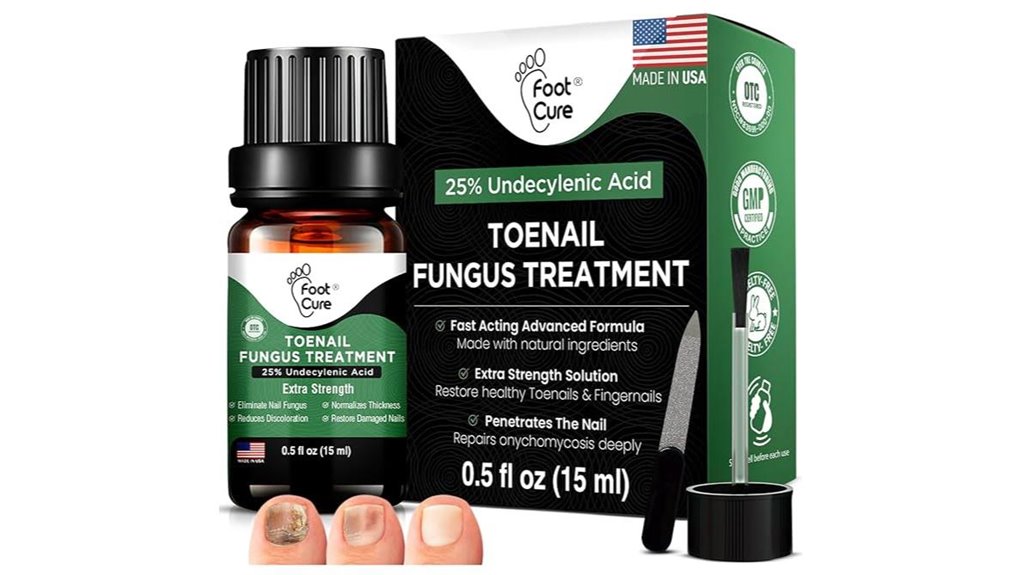
For those seeking a straightforward, extra-strength antifungal option, Foot Cure Toenail Fungus Treatment with Tea Tree Oil stands out with its 25% undecylenic acid blend paired with oregano and tea tree oils, delivering targeted antifungal action while also supporting nail growth and repair. You apply 2–3 drops to each nail twice daily after a warm soak, using the targeted applicator or brush, and let it dry. This treatment targets yellow, thick, and damaged nails, ingrown nails, athlete’s foot, and mycosis, alleviating itching and discomfort. Expect visible results in about 8 weeks, with improved nail appearance and confidence as nails heal. Made in the USA.
Best For: Those seeking an extra-strength antifungal treatment that also supports nail growth and repair, particularly for yellow, thick, or damaged nails, ingrown nails, athlete’s foot, and mycosis.
Pros:
- Contains a strong 25% undecylenic acid blend with oregano and tea tree oils for targeted antifungal action
- Promotes nail growth and repair, helping improve nail appearance over time
- Easy, two-times-daily application after a warm soak with a targeted applicator or brush
Cons:
- Results are typically visible after about 8 weeks, which may be slow for some users
- May cause irritation for sensitive skin or if used on broken skin
- Only available in formulations targeting topical nail issues, not a cure-all for all fungal conditions
Toenail Fungus Treatment with Natural Plant Extracts (1 fl oz)
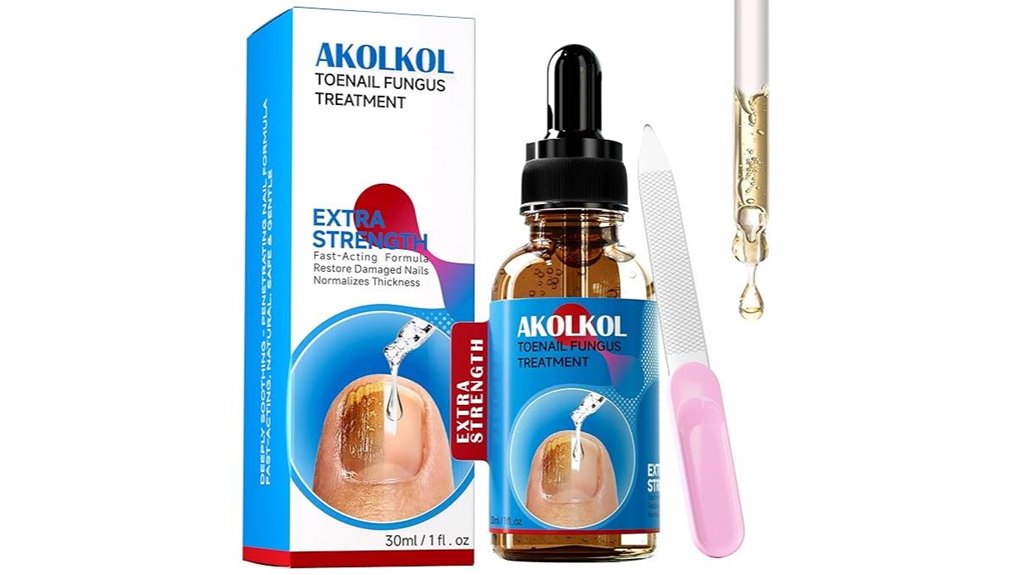
This Toenail Fungus Treatment with Natural Plant Extracts (1 fl oz) is ideal for anyone seeking a plant-based option that’s gentle yet effective for daily use. You’ll apply a plant-based formula designed for both toenails and fingernails, suitable for men and women. It supports daily fungus routines, helping improve thick, yellow, discolored, cracked nails while keeping them clean and healthy-looking during treatment. The natural extract blend softly reinforces nail repair and growth without harsh chemicals. It softens thickened nails, reduces rough texture, and promotes stronger, smoother growth over time, fitting neatly into your complete nail care routine.
Best For: Individuals seeking a gentle, plant-based daily treatment for both toenails and fingernails, suitable for men and women.
Pros:
- Plant-based formula gentle on nails and surrounding skin
- Supports daily nail fungus routines without harsh chemicals
- Aims to soften thickened nails and improve rough texture over time
Cons:
- Results may vary and require consistent, long-term use
- May not be as fast-acting as medicated antifungal treatments for severe cases
- Requires ongoing application as part of a complete nail care routine
NONYX Fungal Nail Gel – Improves Fungus-Damaged Toenails
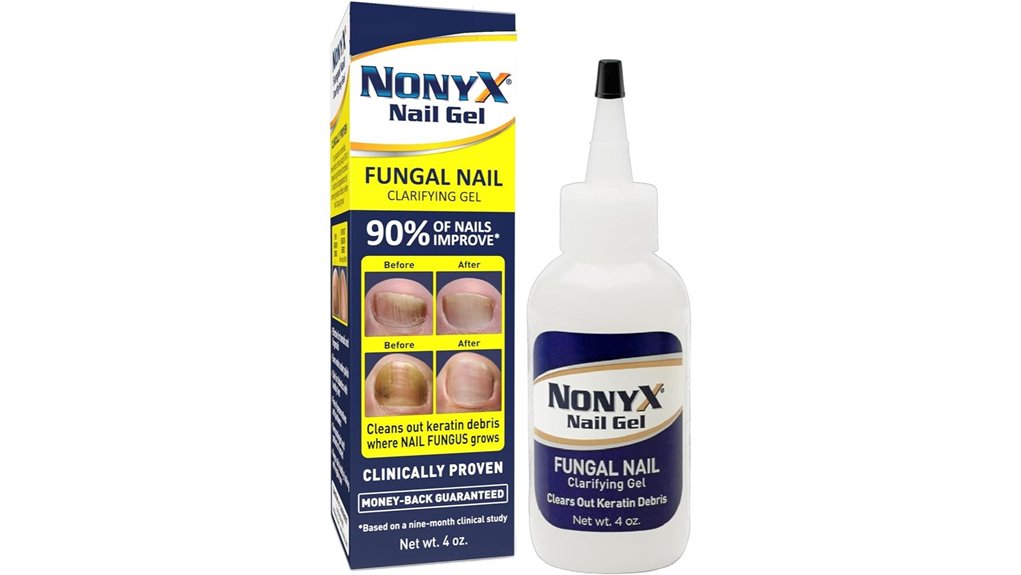
NONYX Fungal Nail Gel stands out for nail polish wearers who want a clear, fast-acting option that works under polish. This clarifying gel targets discolored, thick, brittle, yellow, and lifted nails on both fingers and toes. Recommended by podiatrists and dermatologists since 2004, it works best with acrylic-based polishes and can be applied when you change polish, about 3 times per month. In a double-blind study, 90% of nails improved, and effects stay with regular use. Free of parabens, vegan, non-staining, and odor-free, it dries clear. Each 4-ounce bottle is USA-made and eligible for HSA/FSA reimbursement.
Best For: Clear, polish-wearers seeking a fast-acting, under-polish treatment for fungus-damaged nails that works on both fingernails and toenails.
Pros:
- Dries clear and non-staining, compatible with acrylic-based polishes
- Clinically supported: 90% nail improvement in a double-blind, placebo-controlled study
- Odor-free and vegan, with a moisture-friendly, easy removal routine
Cons:
- Requires regular application (about 3 times per month or with polish changes)
- 4-ounce bottle may be larger than some competing brands, potentially more product to manage
- Effectiveness emphasized with regular use; may take weeks to notice visible results
Factors to Consider When Choosing Antifungal Nail Foam Treatment
When choosing an antifungal nail foam, consider the active ingredient potency, how easy the application is, and whether it targets the specific nail issue you have. Look for a formula with fast-drying time, a straightforward applicator, and ingredients that align with your preferences for natural components. This first look sets you up to weigh effectiveness, convenience, and overall suitability for your nails.
Active Ingredient Potency
Active ingredient potency is a key lever for antifungal nail foams. You’ll often see potency stated as a percentage, like 25% undecylenic acid, which mirrors the strength of the antifungal effect. Higher concentrations can bring faster visible results, but they may raise the risk of skin irritation, so you should balance efficacy with tolerability. In addition to the primary acid, some formulas include essential oils (tea tree, oregano) or nourishing oils to aid penetration and support nail and skin health. Potency should match the severity of your condition; thicker or more durable nails may require stronger or longer-application regimens. Consistent application at the specified frequency and duration is essential to achieve the intended antifungal potency.
Application Method Simplicity
Choosing an antifungal nail foam should be straightforward, and the application method is a big part of that. Look for products with a simple daily application, like a pen applicator or brush, that targets both the nail surface and surrounding skin for ease of use. Choose formulas that specify clear guidance (e.g., 2–3 drops or twice daily) and a defined duration (8–30 weeks) to guarantee you stay consistent. Favor apps designed for painless, targeted delivery to nail edges and cuticles to minimize mess and follow-up cleanups. Opt for kits with built-in tools (brushes, files) or dual-ended applicators that streamline hygienic, on-the-go treatment. Ensure instructions emphasize quick-drying formulas and minimal prep steps (e.g., warm water soak) to simplify your daily routine.
Targeted Nail Scope
Targeted Nail Scope matters because different formulas prioritize toenails, fingernails, or both—and some address related conditions like athlete’s foot. You’ll want to match the scope to your needs: thick, yellowed, or damaged nails often respond best to toenail-focused formulas, while clear, healthy-looking nails under daily wear suit general use. Some products support growth and repair in addition to antifungal action, offering broader nail recovery benefits. Applicability to both toenails and fingernails varies; many solutions lean toward toenails due to thickness and exposure. Also consider compatibility with polish or artificial nails, since certain foams work under polish or with specific enhancements. Assess whether the formula emphasizes maintenance versus restoration, and choose accordingly to align with your nail health goals and everyday routines.
Drying Time Speed
Drying time is a practical, quick-litmus test for antifungal nail foams. Drying varies by formula, but many foams dry to touch in minutes and fully cure in 5–30 minutes after application. Quick-drying formulations reduce transfer risk to shoes and socks, supporting more hygienic daily use. Some products specify air-drying without covering nails, while others may require 10–15 minutes of evaporation before dressing. The presence of solvents and alcohol speeds evaporation, contributing to faster overall drying times. Thicker nail application or higher active concentration can extend the drying period compared to lighter formulas. If you’re between products, compare stated drying windows and whether the label notes air-dry guidance or post-evaporation wait times to tailor your routine.
Natural Ingredient Benefits
Natural ingredients can boost comfort and long-term nail health while treating fungus. You’ll notice blends like tea tree and oregano oils are common for potential antimicrobial benefits, and they pair with other natural oils to support moisture and appearance during treatmente Ingredients such as tea tree, jojoba, lavender, and vitamin E help soothe and hydrate nails, which can reduce roughness as you progress. Some formulas combine undecylenic acid 25% with natural oils to boost antifungal activity using both chemical and botanical actions. Plant-extract-based options aim to soften thickened nails and improve texture as part of ongoing care. Many products emphasize fragrance-free, non-staining, and odor-free experiences to enhance daily application and comfort.
Long-Term Use Safety
Long-Term Use Safety hinges on choosing non-irritating formulations with gentle plant extracts and oils, since harsh chemicals can irritate skin with extended use. You should look for products that avoid strong irritants and emphasize clinically recognized active ingredients, such as undecylenic acid near 25%, to sustain antifungal action while monitoring for potential skin sensitivity over time. Favor blends backed by dermatologists or podiatrists, and those that are vegetarian, fragrance-free, and paraben-free to support ongoing safety. Plan for regular use over weeks to months, with many guidance sets citing 8–12 weeks for noticeable nail improvements. Check compatibility with your existing nail care routine—polish wear, acrylics, or diabetic foot care—to ensure safe, continued application without adverse interactions.
Packaging and Value
When choosing an antifungal nail foam, packaging and value matter as much as active ingredients. Start by comparing bottle sizes and packaging features to gauge value—4-ounce bottles offer more product per purchase, often lowering cost per use. Check cost-per-use metrics and consider long-term supply availability, like multi-month supplies or recurrent refills, so you won’t run dry mid-treatment. Look for easy-dose applicators in the carton or bottle—brushes, pens, or integrated spouts—that reduce waste and boost hygiene. Evaluate branding claims about long-term use and compatibility with your nail care routine to ensure ongoing value. Also note whether the product is marketed as vegan, paraben-free, or fragrance-free, since these factors can influence perceived value and suitability for sensitive users.
Common Questions
How Long Does Antifungal Nail Foam Typically Take to Show Results?
Result results vary, but you’ll likely notice improvements in 2–4 weeks with consistent use. Think of it like planting a seed: patience, steady care, and daily attention yield visible shoots. You may see reduced itching and faster nail growth as the fungus slows. For full clearance, many folks continue 8–12 weeks or longer. Follow product directions, keep nails dry, and consult a clinician if you don’t see progress after a month.
Can Foam Treatments Be Used With Nail Polish or Acrylics?
Yes, you can use foam treatments with nail polish or acrylics, but you should avoid applying them over the polish or acrylics themselves. Remove any coatings first, apply the foam to clean nails, and let it dry completely before reapplying polish or acrylics. If you must wear polish, use a clear top coat only after the foam has fully absorbed. Follow product directions for timing and reapplication.
Are There Any Known Allergic Reactions to Antifungal Foams?
Like a storm warning, you’ll want to be aware: yes, allergic reactions to antifungal foams can occur. You might notice redness, itching, swelling, or blistering where the foam touches your skin. If you develop these signs, stop using it and seek medical advice promptly. Check ingredients for known sensitivities, and consider a patch test first. If symptoms worsen, contact your clinician to discuss alternative treatments or non-irritating formulations.
Do Foam Products Work on Both Fingernails and Toenails?
Yes, foam products can work on both fingernails and toenails. They’re typically formulated to penetrate nails regardless of location, though toenail fungus can be tougher due to thickness. For best results, apply as directed, usually daily, and continue for several weeks after clearing symptoms to prevent recurrence. If you have diabetes or poor circulation, talk to a clinician first. Patch-test a small area to check for irritation, and avoid applying on damaged skin.
What Signs Indicate the Treatment Is Failing and Should Be Stopped?
If you notice no improvement after 4–6 weeks, or if symptoms worsen, stop and consult a clinician. Signs treatment is failing include persistent discoloration, continued thickening, new nails infected, or spreading skin irritation around nails. If you experience severe itching, swelling, or blistering, discontinue immediately. Avoid squeezing or covering with tight shoes. Reassess your diagnosis, check application instructions, and consider alternative therapies or prescription options advised by a healthcare professional.