
If you’re wrestling with nail fungus, you’ll want a barrier cream that fights the infection and shields surrounding skin. These 10 options mix antifungals with moisture-locking ingredients, plus easy applicators for precise under-nail use. Some are dermatologist-backed, others plant-based, all designed for dry time and compatibility with polish. You’ll likely find a fit, but the choice isn’t obvious—there’s more to weigh than surface strength, and your next step matters.
Key Points
- Highlights barrier-focused antifungal options that protect surrounding skin while targeting nail infections, including plant-based and petrolatum-based formulations.
- Includes barrier-oriented products like Marie Originals Bioactive Barrier Ointment and other barrier/nerve-friendly blends for under-nail and lateral nail fold care.
- Covers formulations with precise applicators (pinpoint, brushes, integrated tips) for targeted, mess-free delivery to the hyponychium and nail edge.
- Features products with clinically backed or dermatologist-developed credentials (e.g., NONYX Fungal Nail Gel, Kerasal Nail) for nail clarity and thickness reduction.
- Integrates active ingredients across options (tolnaftate, miconazole, undecylenic acid) and barrier base vehicles suitable for damp skin and sensitive users.
Fungi-Nail Anti-Fungal Liquid: Toe Fungus Treatment
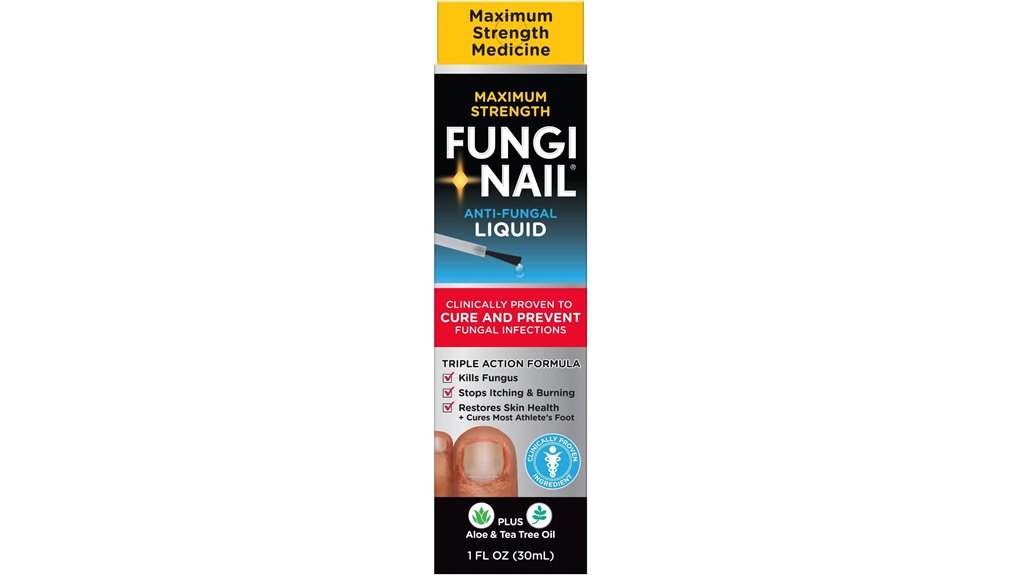
If you’re seeking a targeted, no-prescription option to curb toe fungus, Fungi-Nail Anti-Fungal Liquid stands out for its maximum-strength tolnaftate 1% and a user-friendly pinpoint applicator. This 1 oz bottle delivers a clinically proven solution that both cures and prevents fungal infections. Its triple-action formula kills fungus, relieves itching and burning, and restores skin health. The applicator reaches around infected nails and skin, helping to stop spread. Aloe and tea tree oil aid skin restoration, while five essential oils support overall comfort. Easy, mess-free use makes it suitable for ongoing toe and foot protection against fungus.
Best For: Anyone seeking a no-prescription, maximum-strength tolnaftate option with a pinpoint applicator to target toe and foot fungus around nails.
Pros:
- Maximum-strength tolnaftate 1% with a targeted, mess-free pinpoint applicator.
- Clinically proven to cure and prevent fungal infections, and to relieve itching and burning.
- Includes skin-supporting ingredients (aloe, tea tree oil, and five essential oils) to aid restoration.
Cons:
- Requires consistent daily application for best results over an extended treatment period.
- May cause mild skin irritation or sensitivity in some individuals.
- Not a cure-all for severe toenail fungal infections; medical advice may be needed for persistent cases.
Dr. Blaine’s Tineacide Antifungal Cream, 1.25 Ounce (Pack 2)
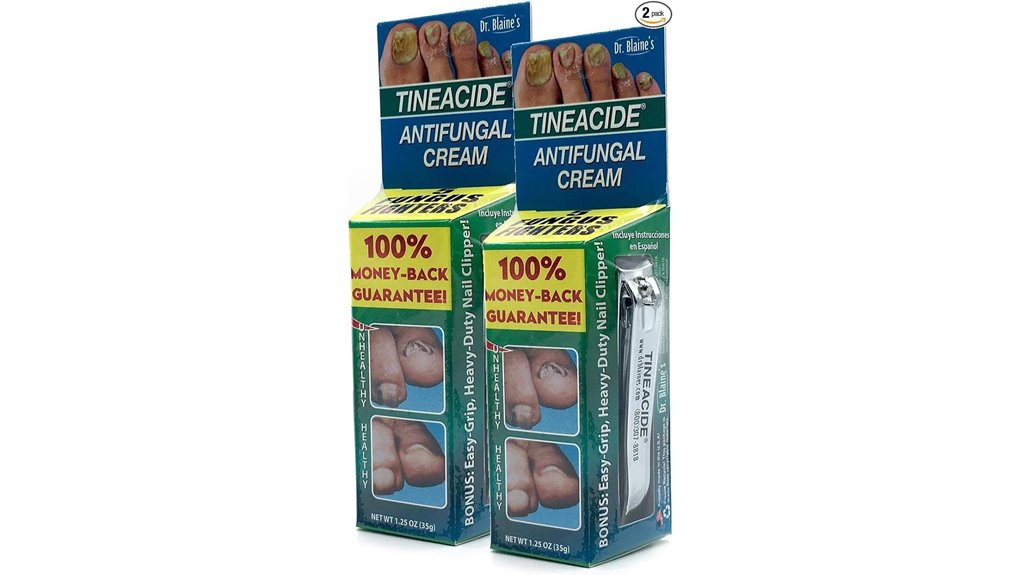
Dr. Blaine’s Tineacide Antifungal Cream, 1.25 Ounce (Pack 2) targets skin and nails with an antifungal treatment. You’ll notice it fights redness, peeling, cracking, and odor from fungal infections. This cream uses a five-ingredient formula designed to kill fungus and restore healthy skin and nails. For best results, apply twice daily and complete the recommended 4–6 weeks of treatment. The product’s standout feature is its five-fungus-fighting ingredients, aimed at reducing symptoms and supporting recovery. Use consistently to support barrier health and speed up relief, keeping you on track toward clearer skin and nails.
Best For: Individuals seeking a dual-action antifungal treatment for both skin and nails with a multi-ingredient formulation.
Pros:
- Five-ingredient antifungal formula targets multiple symptoms.
- Aims to reduce redness, peeling, cracking, and odor.
- Recommended twice-daily use with a 4–6 week treatment window.
Cons:
- Daily application may be inconvenient for busy schedules.
- Expect several weeks of treatment before noticeable results.
- May cause irritation for sensitive skin in some users.
NONYX Fungal Nail Clarifying Gel for Toenails
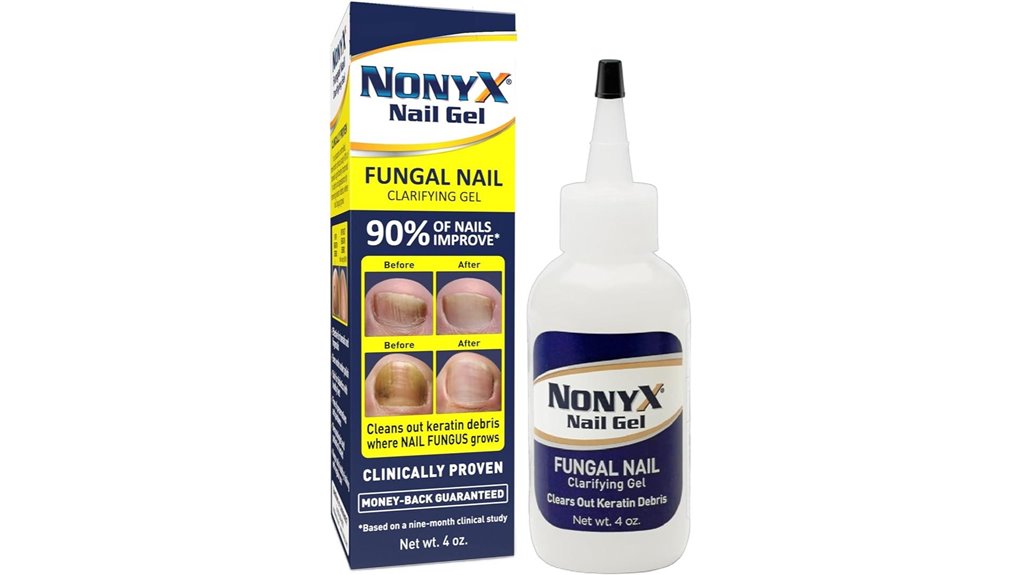
NONYX Fungal Nail Clarifying Gel stands out for anyone seeking a long-lasting, clinician-backed solution that works under polish. You can use it on both toenails and fingernails, with clinical backing showing improvements in discolored, thick, brittle, yellow, lifted nails. Since 2004, podiatrists and dermatologists have recommended it, and it works under nail polish, best with acrylic-based polishes, applying three times per month or when you change polish. The formula includes ethanoic acid to break down yellow keratin debris, is vegan, free of parabens, dries clear, and odor-free. Each 4-ounce bottle is durable, USA-made, and suitable for HSA/FSA reimbursement.
Best For: Best For individuals seeking a clinician-backed, polish-friendly fungal nail solution that works on both toenails and fingernails and is suitable for use under polish.
Pros:
- Clinician-backed since 2004 and demonstrated in a double-blind, placebo-controlled study
- Works under nail polish and is best with acrylic-based polishes
- Vegan, free of parabens, odor-free, dries clear, and made in the USA
Cons:
- Requires regular application (three times per month or when changing polish)
- 4-ounce bottle may require ongoing purchase for long-term use
- Not all users may see rapid results; improvement described as sustainable with regular use
Bee Venom Antifungal Solution for Nails and Feet
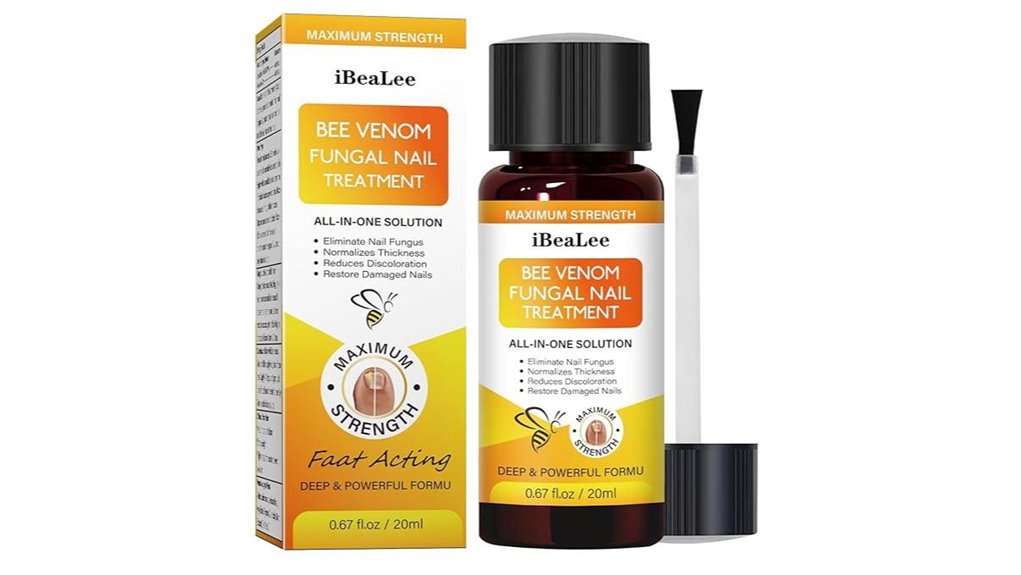
Bee Venom Antifungal Solution for Nails and Feet stands out for those seeking an extra-strength option that targets both toenails and fingernails while addressing yellowing, ingrown nails, and skin irritation. This solution is an easy-to-use nail fungus treatment for toenail and fingernail care, delivering a layer of liquid to the fungal surface, then a cream layer after absorption. It not only kills fungus but also restores and renews damaged nails, supports growth of sturdy nails, and protects from reinfection. It reduces itching, cleanses skin tissue, and helps prevent future fungal activity for lasting results. NDC: 85636-011-01.
Best For: Individuals seeking an extra-strength antifungal treatment for toenails and fingernails that also addresses yellowing, ingrown nails, and skin irritation.
Pros:
- Kills fungus and helps restore and renew damaged nails
- Promotes growth of sturdy, strong nails and protects from reinfection
- Easy-to-use application with a liquid layer followed by a cream layer
Cons:
- May require consistent, long-term use for complete results
- May cause temporary skin irritation or itching in sensitive individuals
- Availability may be limited to certain retailers or regions
Kerasal Nail Fungus Extra Strength Nail Repair
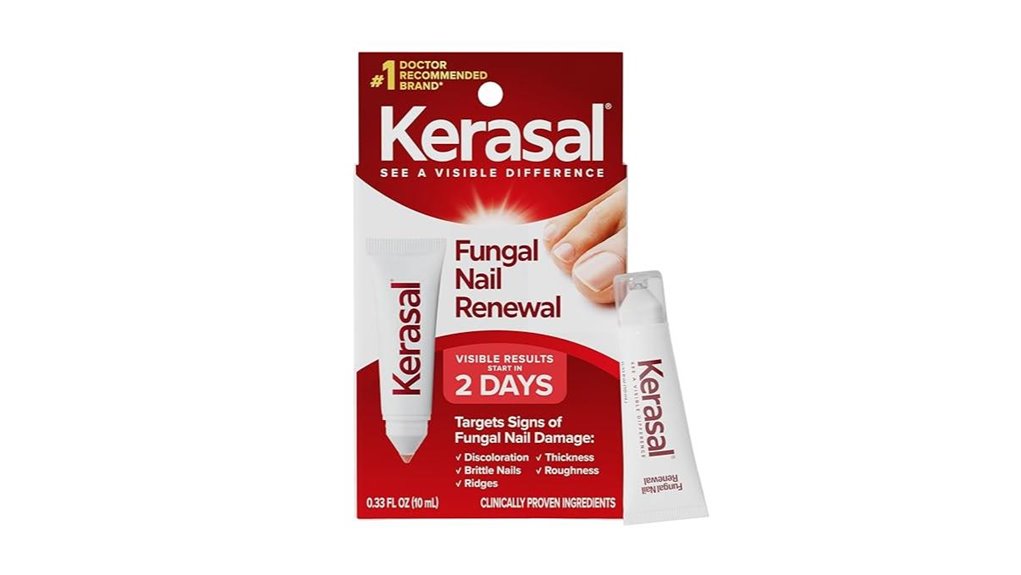
Kerasal Nail Fungus Extra Strength Nail Repair is the best choice if you want a dermatologist-developed solution that targets thick, discolored nails with a precise, mess-free applicator. This restorative nail repair uses urea and lactic acid to gently exfoliate, hydrate, and smooth damaged nails. It helps reduce thickness, improves texture, and restores clarity over time. You’ll see progress in common signs of fungal nail damage with consistent use, supported by millions of users since 2010. The precision applicator delivers direct, targeted application to toe or finger nails, fitting neatly into your daily care routine.
Best For: individuals seeking a dermatologist-developed, precision-applied solution to thick, discolored nails with a mess-free applicator.
Pros:
- Precision applicator allows direct, targeted application to nails with minimal mess
- Urea and lactic acid formulation gently exfoliates, hydrates, and smooths damaged nails
- Helps reduce thickness and restore clarity over time, with a history of user trust since 2010
Cons:
- May require consistent, long-term use to see noticeable results
- Not a cure for fungal infection; improvements are mainly cosmetic and gradual
- May not be suitable for those with sensitivities to urea or lactic acid
Toenail Fungus Treatment with 25% Undecylenic Acid
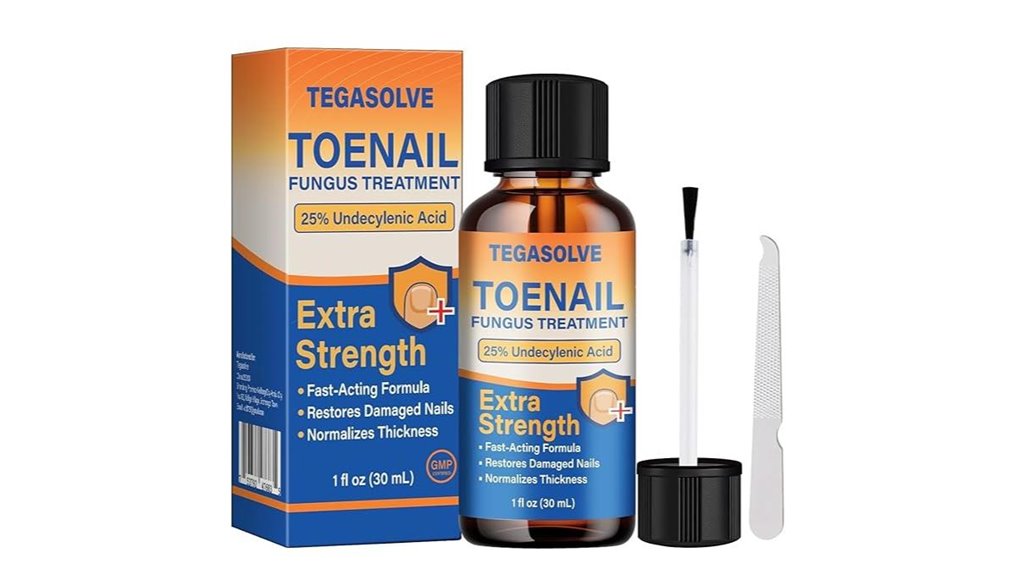
If you’re seeking a fast-acting antifungal option that works beneath the nail surface, this 25% undecylenic acid treatment stands out for thick, discolored nails and brittle edges. You apply Toenail Fungus Treatment Extra Strength regularly to target discoloration, thickness, and brittleness. The active ingredient, 25% undecylenic acid, is a clinically recognized antifungal that supports nail clarity and a healthier appearance, fast-absorbing beneath the surface. A botanical complex—tea tree, aloe vera, lavender, jojoba, peppermint, propolis—soothes irritation and hydrates dry areas. Visible progress can begin in seven days, with reduced yellowing and smoother, clearer nails over time for hands and feet.
Best For: People seeking a fast-acting, dermatologist-recommended topical antifungal solution to address thick, discolored nails and brittleness, with soothing botanical support for hands and feet.
Pros:
- 25% undecylenic acid provides a potent antifungal action that works under the nail surface
- Botanical complex (tea tree, aloe vera, lavender, jojoba, peppermint, propolis) soothes irritation and moisturizes
- Visible progress can begin in as little as 7 days with continued use
Cons:
- May require consistent daily use over several weeks to see full improvement
- External topical treatment; may not address underlying medical conditions or nail matrix issues
- Some individuals may experience mild irritation or sensitivity to essential oils or botanical ingredients
Dr. Blaine’s Tineacide Antifungal Cream – Ultra Strength 1.25 oz
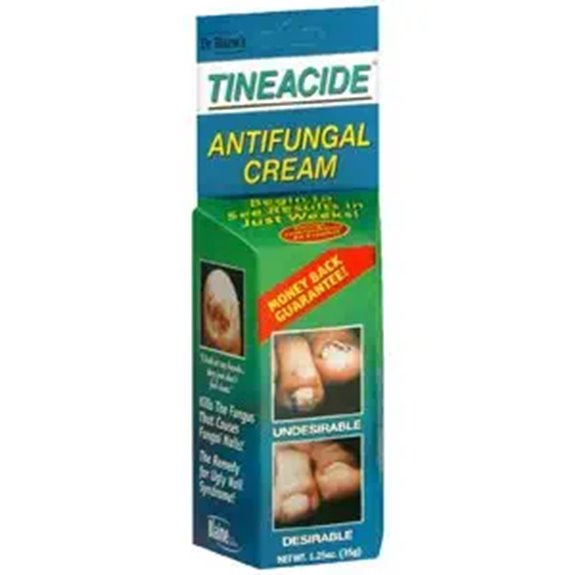
Dr. Blaine’s Tineacide Antifungal Cream – Ultra Strength 1.25 oz is designed to relieve nail conditions caused by skin fungus. This ultra‑strength formula targets infections quickly, with a 1.25 oz size that’s convenient to apply. Natural essential oils, including tea tree and lavender, soothe while urea softens thick skin and improves absorption. Clinically proven, it effectively treats most skin infections and supports faster recovery. You’ll notice relief from itching, burning, and irritation, along with moisturizing, restorative effects. The combined action provides antifungal support, soothing benefits, and enhanced absorption to address symptoms and skin condition for recovery.
Best For: individuals seeking ultra-strength antifungal relief for nail conditions caused by skin fungus, with soothing oils and enhanced absorption.
Pros:
- Ultra-strength formula for faster results
- Contains soothing natural essential oils (tea tree and lavender)
- Urea helps soften thick skin and improves absorption
Cons:
- 1.25 oz size may require more frequent reapplication for extensive infections
- Contains essential oils that may irritate sensitive skin in rare cases
- May not be suitable for all fungal infections or for use on broken skin without physician guidance
Medline Remedy Clinical Antifungal Ointment (2.5 oz)
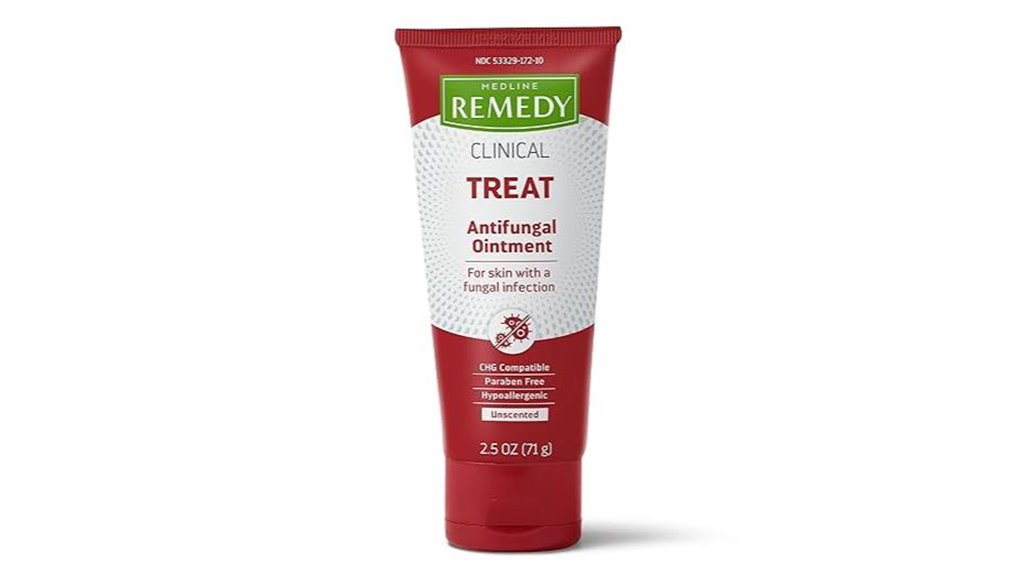
Medline Remedy Clinical Antifungal Ointment (2.5 oz) stands out for its medical-grade, unscented formula featuring 2% miconazole nitrate to actively treat infections like athlete’s foot, jock itch, and ringworm. You apply this petrolatum-based ointment with carboxymethyl cellulose to help it adhere on wet or damp skin, promoting consistent action. The Medline Remedy Nutrient Complex plus botanicals soothes while soy and blue-green algae supply vitamins. It relieves itching, scaling, cracking, and redness, and suits most skin types. Free from parabens and sulfates, the CHG-compatible formulation supports dermatologic precision treatment across common fungal infections.
Best For: Those seeking a medical-grade, unscented antifungal ointment with 2% miconazole nitrate for treating athlete’s foot, jock itch, and ringworm, suitable for damp skin and sensitive/varied skin types.
Pros:
- Contains 2% miconazole nitrate for effective antifungal treatment
- Petrolatum base with carboxymethyl cellulose helps adherence on wet or damp skin
- Free from parabens and sulfates; CHG-compatible formulation; includes soothing Nutrient Complex with botanicals
Cons:
- Ointment may feel greasy or heavy on the skin for some users
- Only 2.5 oz tube; may require multiple applications for widespread infections
- Requires consistent use as directed to achieve full效果 (treatment duration not specified in brief)
Baza Antifungal Skin Protectant 5 oz. Tube Scented 1607, 1Ct
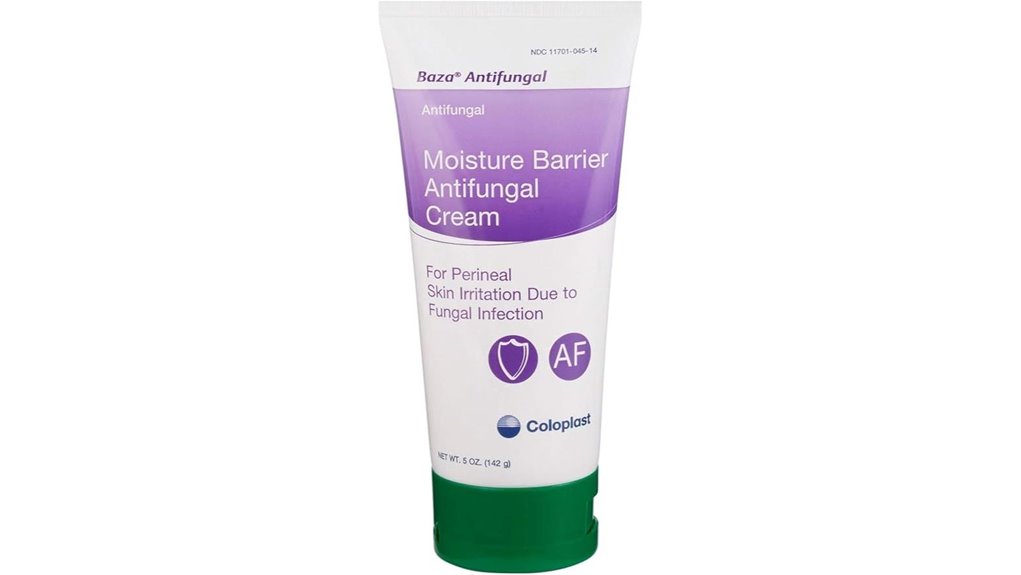
Baza Antifungal Skin Protectant stands out for anyone managing incontinence‑related fungal skin issues, offering a moisture‑blocking barrier plus active antifungal action in a single 5 oz, scented tube. You get 2% miconazole nitrate to inhibit fungal growth, plus a practical moisture barrier against urine and feces. It relieves diaper dermatitis discomfort and helps prevent recurrent irritation, addressing jock itch, ringworm, and athlete’s foot. Suitable for newborns through geriatrics, it targets incontinence‑related infections with a simple, easy‑to‑use topical. Note: packaging comes unsealed, not manufacturer sealed, so inspect before use and store as directed.
Best For: individuals managing incontinence-related fungal skin issues, seeking a scented antifungal that also provides a moisture barrier and is suitable from newborns to geriatrics.
Pros:
- Combines antifungal treatment (2% miconazole nitrate) with a moisture‑barrier topical to protect irritated skin
- Suitable for a wide age range (newborns through geriatrics) and multiple fungal concerns (jock itch, ringworm, athlete’s foot)
- Convenient 5 oz scented tube for easy application
Cons:
- Packaging is unsealed/not manufacturer sealed, requiring user to inspect before use
- Scented formula may not be preferred by all users
- Requires consistent topical use to maintain protection and antifungal effect
Marie Originals Bioactive Barrier Ointment for Fungus
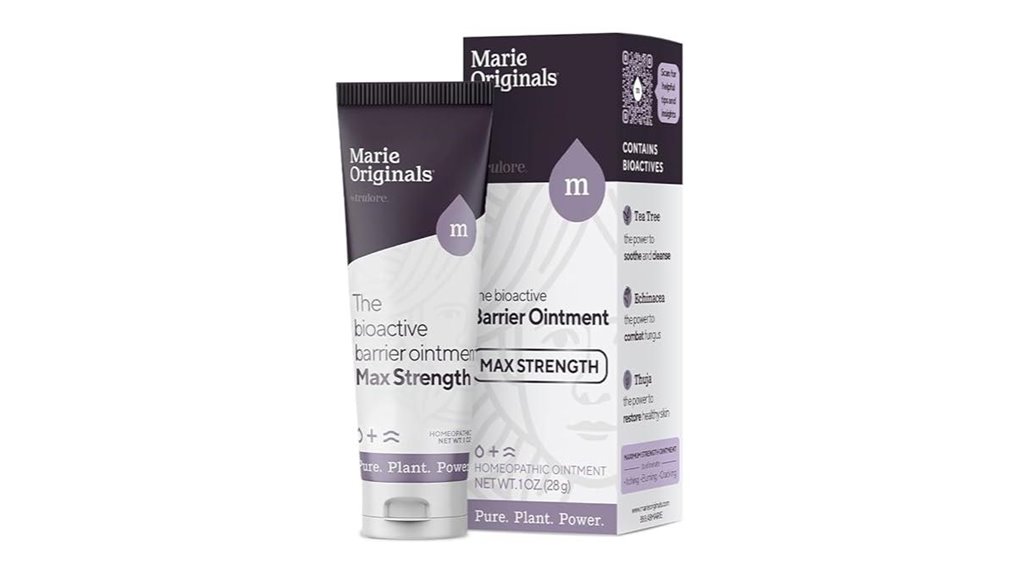
Marie Originals Bioactive Barrier Ointment for Fungus stands out for readers seeking a plant-powered, ready-to-use solution that targets both skin and nail fungus on the go. You’ll get a portable 1 oz tube with rapid relief for jock itch, ringworm, and anti-itch needs, plus skin and nail fungus recovery. The plant-based formula features echinacea 30C and tea tree extract, with Thuja to support skin restoration. Crafted with certified organic ingredients, it aims to soothe, cleanse, and address fungal concerns. Use it on skin and nails for a natural, convenient barrier against fungal discomforts, anywhere you are.
Best For: Individuals seeking a plant-powered, on-the-go solution for both skin and nail fungus relief and restoration.
Pros:
- Plant-based formula with echinacea 30C and tea tree extract for natural support
- Quick, portable 1 oz tube facilitates on-the-go use
- Certified organic ingredients and multi-purpose fungal care for skin and nails
Cons:
- May require consistent use for ongoing fungal concerns
- Limited information on clinical efficacy or comparative effectiveness
- Potential sensitivity to botanical ingredients for some users
Factors to Consider When Choosing Anti Fungal Nail Barrier Cream
When you pick an anti-fungal nail barrier cream, consider the ingredient strength and type to match your needs and sensitivities. Look for an easy application method, and ensure the product targets the right nail care areas for your routine. Also weigh active ingredient benefits against skin health support to balance efficacy with comfort.
Ingredient Strength and Type
Choosing the right antifungal nail barrier cream means weighing both ingredient strength and the active class. Ingredient strength matters: higher percentage antifungals (for example, 25% undecylenic acid) can offer faster or more robust fungal control than lower-strength formulations. The active class (tolnaftate 1%, miconazole, undecylenic acid) determines the spectrum of fungi targeted and may influence skin tolerance and irritation risk. Plant-based blends—tea tree, aloe, lavender—can support skin health but vary in antifungal potency and should be considered alongside active ingredients. Formulation type (liquid, cream, gel, or ointment) affects penetration under nails and around cuticles, impacting effectiveness for nail infections. Higher-strength products may require longer treatment durations or specific application sites, so alignment between strength, target area, and usage instructions is crucial.
Application Method Ease
Pick a formulation that’s easy to apply and store, with a dedicated applicator, pump, or brush that delivers a precise, mess-free layer to the nail and surrounding skin. Look for a dedicated applicator or an easy-to-use pump or brush that ensures you cover the nail surface and nearby tissue without mess. Ensure the product instructions specify frequency and duration (e.g., applied twice daily for several weeks) to support consistent coverage. A cream or gel should absorb without leaving a greasy residue that could interfere with nail polish or prosthetics. Check whether the formula is designed to penetrate under the nail edge or cuticle with targeted application to surrounding tissue. Favor formulations with clear, step-by-step directions for applying to infected areas and allowing drying time before further treatments or activities.
Targeted Nail Care Areas
Targeted nail care areas cover both the nail plate and surrounding nail folds, so you treat fungus where it lives and could spread. You want a product that delivers treatment to the infected nail surface and the skin around it with precise applicators, brushes, or tips. Focus on how well the formulation reaches the hyponychium—where the nail meets the bed—and the lateral nail folds to prevent spread and reinfection. Some formulas aim to penetrate the nail matrix or under the nail plate for broader efficacy against subungual fungus. Look for protective action around the nail that shields nearby skin while restoring a healthier appearance. In short, choose a barrier cream that targets both surface and surrounding tissue for comprehensive control.
Active Ingredient Benefits
Active ingredient benefits guide your choice by focusing on how well the antifungals work on the infected nail and surrounding skin. Tolnaftate 1% offers a maximum-strength antifungal option in some nail treatments, delivering direct fungicidal action to affected areas. Undecylenic acid at 25% is a clinically recognized antifungal ingredient aimed at supporting nail clarity and reducing discoloration and thickness. Miconazole nitrate at 2% is a common antifungal agent for skin infections, including those around nails, with a petrolatum-based application for adherence. Many products pair antifungal actives with soothing botanicals like tea tree, aloe, and lavender to aid symptom relief and skin tolerability. Some formulations include barrier or hydrating components (urea, lactic acid, aloe, glycerin) to aid penetration and maintain moisture.
Skin Health Support
Skin health matters as you treat a nail infection, not just the antifungal action. When selecting a barrier cream, look for a product that provides a barrier-support function to protect surrounding skin from fungal spread while treating the affected nail area. Choose formulas with soothing components like aloe or tea tree oil to support skin health and reduce itching or burning around the nails. Prioritize antifungal agents with proven skin compatibility and a hydrating base to prevent further dryness or irritation on surrounding skin. Check for easy, targeted application around the nail to minimize contact with healthy skin and reduce mess or waste. Consider products that restore skin health alongside antifungal action, helping to maintain a healthy barrier as nails recover.
Safety and Sensitivities
When choosing an antifungal nail barrier cream, start by checking for irritants and allergens like fragrances or essential oils that can trigger sensitivities, and opt for hypoallergenic, fragrance-free options if you have a history of dermatitis. Assess whether the product is suitable for sensitive skin or diabetics, as some formulas claim safety for diabetic feet or offer a clear, non-staining finish. Confirm you aren’t allergic to common antifungal actives such as tolnaftate, miconazole, or undecylenic acid, and consider a patch test before widespread use. Seek hypoallergenic options when you have chemical sensitivities, and favor products designed to minimize skin contact. Finally, evaluate packaging and applicator design to reduce contamination risk and incidental irritation.
Packaging and Dosage Reach
Have you considered how packaging size and dosage reach affect how long your antifungal nail barrier cream lasts and how easily you can target affected nails? Packaging size varies, with typical tubes from 1 oz to 2.5 oz, influencing duration and value per use. Consider application frequency and whether the design allows precise, localized dosing—applier tips or narrow openings can help you reach affected nails without waste. A larger volume might save money overall, but it requires more storage and risks exposure if not sealed properly. Clear labeling of dosage instructions and coverage areas ensures you apply enough product to all affected nails or skin folds. Packaging materials should protect contents from light and air to maintain potency over the full shelf life.
Common Questions
Do These Creams Address Toenail Discoloration or Only Fungus?
Toenail creams mainly target fungus and help prevent its growth; they don’t magically restore discoloration. Some formulations include pigment-lightening or conditioners that can reduce yellowing over time, but you shouldn’t expect quick color fixes. For noticeable discoloration, you may need medical treatment or topical therapies prescribed by a professional. Use the cream consistently, follow directions, and monitor progress. If discoloration persists or worsens, consult a clinician to rule out other conditions.
Are There Notable Interactions With Other Nail Products?
Yes, there can be notable interactions with other nail products. You should space applications, avoid layering with strong solvents, and check ingredient lists for overlapping active compounds or acids. If you use top coats, let a base barrier dry first, then apply antifungal cream. Remove or reduce color-polish use during treatment, and test any new product on a small area first. When in doubt, consult a pharmacist or clinician for personalized guidance.
Do They Contain Fragrance or Potential Irritants?
Yes, they can contain fragrance or potential irritants. Many formulations use fragrance oils, preservatives, or solvents that may irritate sensitive skin or nails. If you have allergies or sensitive skin, check ingredient lists for known irritants like parabens, parabens alternatives, limonene, linalool, or essential oils. Patch-test a small area first, and choose fragrance-free or hypoallergenic options when available. If irritation occurs, discontinue use and consult a clinician.
How Long Before Visible Improvement Is Typical?
Typically, you’ll start seeing visible improvement in about 4 to 12 weeks with consistent use. Keep applying as directed, even if you don’t notice immediate changes. Nails grow slowly, so the affected area may take longer to look better. If you don’t see progress after 3 months, reassess with a clinician. Stick to fragrance-free formulas if you’re sensitive, and avoid skipping applications to maintain effectiveness.
Can These Be Used Alongside Oral Antifungals Safely?
Yes, you can usually use them together, but check with your doctor first. Nail barrier creams are topical and don’t interfere with most oral antifungals, yet some active ingredients or ingredients in your regimen could interact or irritate. Apply the cream as directed, keep a consistent schedule, and separate application times from oral meds when advised. If you notice new irritation, discontinue and consult your clinician promptly.