
If you’re dealing with damaged nails, you’ll want options that patch discreetly while delivering real care. From pre-cut patches to keratolytic formulas and hydrating oils, these 2026 picks aim to restore strength and appearance without obvious fuss. Curious which approach fits your nails best and how to apply them for the best results? Keep exploring to find your ideal nail plate repair solution.
Key Points
- Patch-based nail repair patches offer discreet, pre-cut solutions for damaged nails, protecting surfaces while allowing polish compatibility.
- Kerasal Nail Repair combines keratolytic urea with hydrators to address discoloration, thickness, and brittleness, suitable for aging or gel-damage nails.
- Probelle Nail Strengthener & Growth Polish provides a one-step rebuild, protection, and growth boost with a glossy finish.
- Modelones Nail Strengthener & Growth Repair delivers a quick-dry, keratin- and jojoba-enriched clear hardener for daily use.
- Karlash Nail Repair Kit uses a resin glue and dip powder system for fast, breathable, crystal-clear emergency repairs.
Nail Repair Patches for Damaged Nails (580 Units)
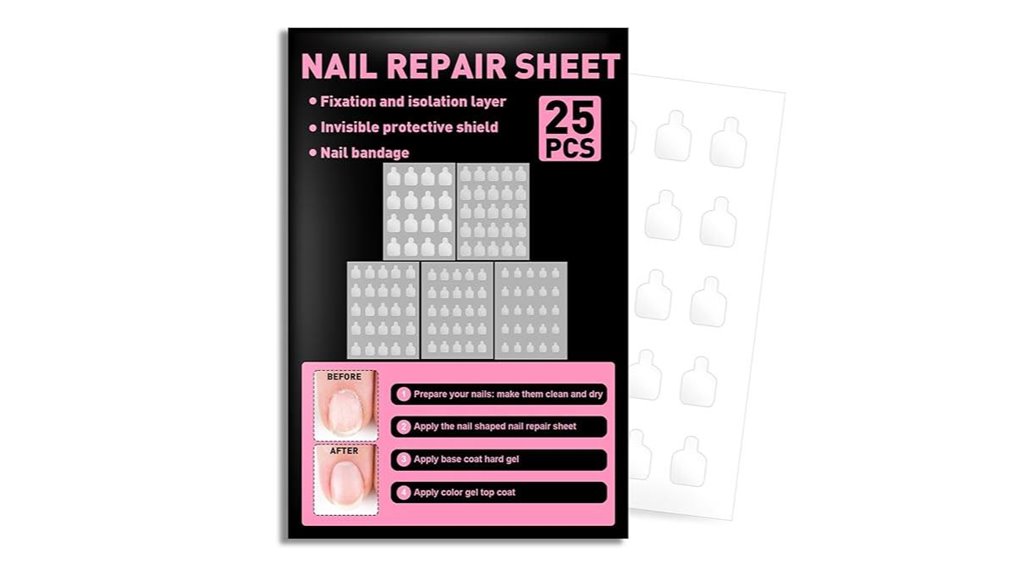
If you’re looking for a discreet, everyday repair that protects damaged nails while you wear polish, Nail Repair Patches for Damaged Nails (580 Units) are your best bet. These transparent patches act as an isolation layer to fix cracked nails and create a stable barrier between repair gel and damaged surfaces. They serve as the foundation for subsequent work, targeting cracking at the source and gradually restoring nails to a healthier state. Each pack contains 25 patches across five sizes, pre-cut for dry nails. Use with gel polish for longer-lasting results, and enjoy an invisible, protective finish.
Best For: people seeking discreet, everyday nail repair that protects damaged nails while wearing polish.
Pros:
- Transparent, invisible design blends with natural nails for a seamless look.
- Provides an isolation layer and protective barrier to support repair and prolong durability.
- Pre-cut patches in multiple sizes save time and fit to various nail shapes.
Cons:
- Requires application on clean, dry nails and careful smoothing to avoid bubbles.
- Needs to be used with gel polish for longer-lasting results, adding an extra step.
- May not be suitable for severely damaged nails that require professional treatment.
Kerasal Nail Repair for Discolored & Damaged Nails
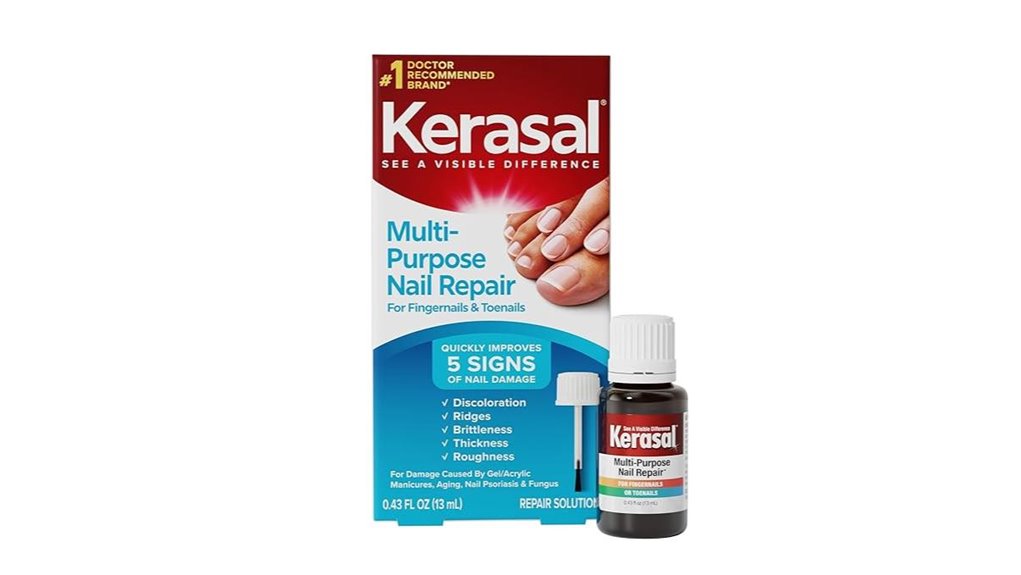
Kerasal Nail Repair stands out for anyone dealing with discolored, thickened, or brittle nails caused by aging, gel manicures, or mild nail fungus, thanks to its keratolytic urea and hydrating ingredients that both exfoliate and moisturize. This multi-purpose nail repair targets discoloration and thickness while hydrating and exfoliating brittle nails to improve appearance. It works across triggers such as nail psoriasis, gel manicure damage, aging, and fungus, penetrating nail plates with its urea and hydrating components. Use a thin layer twice daily for the first week, then once daily thereafter to repair damaged nails and reduce flaws.
Best For: Best For individuals seeking a keratolytic, hydrating nail repair that targets discoloration, thickening, and brittleness from aging, gel manicure damage, or mild fungus.
Pros:
- Keratolytic urea helps soften and exfoliate damaged nails
- Hydrating ingredients (propylene glycol, lactic acid) aid moisture retention
- Helps reduce discoloration and thickness while improving appearance
Cons:
- Requires twice-daily application for the first week
- May take several weeks to notice noticeable changes
- May not be effective for severe fungal infections or psoriasis without medical advice
Probelle Nail Strengthener & Growth Polish for Nails
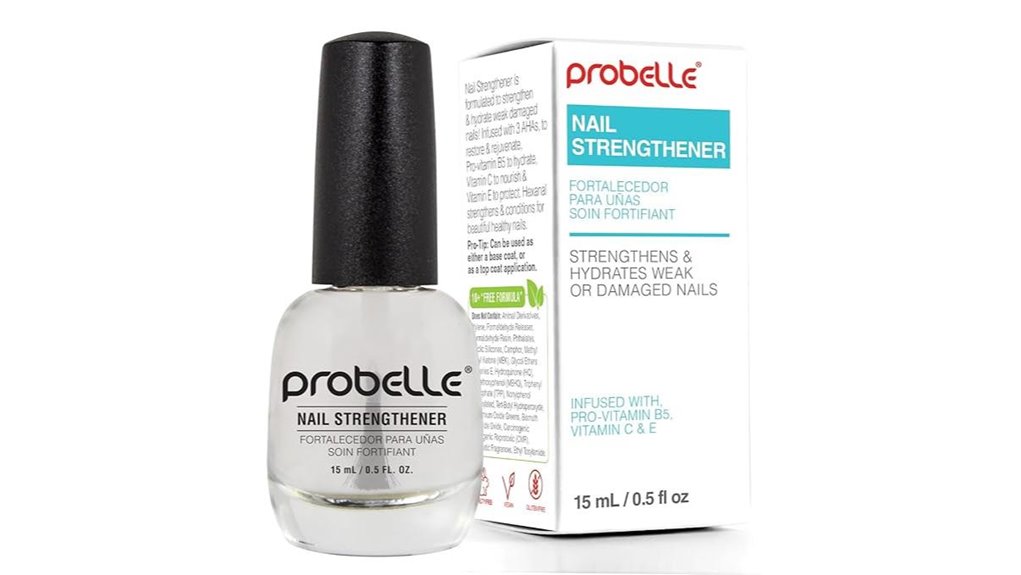
Probelle Nail Strengthener & Growth Polish is your go-to if you’re rebuilding weak, thin, or brittle nails and want both protection and growth in one step. This formula repairs damaged nails that are weak, thin, soft, and fragile, stops chipping, peeling, and cracking, and supports natural nail plate restoration to a healthy state. It improves texture, strengthens, promotes growth, and restores nail health while aiding recovery from dehydration from gel or acrylics, plus a glossy finish. Use as a standalone or base coat, applying 1 coat under lacquer or daily as needed to build strength. Follow directions for best results.
Best For: Those with weak, thin, or brittle nails seeking both protection and growth in a single step.
Pros:
- Helps repair damaged nails and prevents chipping, peeling, and cracking.
- Promotes nail growth and restores natural nail health with a glossy finish.
- Versatile use as a standalone strengthener or as a base coat.
Cons:
- May require multiple coats to build desired strength.
- Results can vary depending on adherence to daily application.
- Some users may prefer additional top-coat options for longer-lasting shine.
Modelones Nail Strengthener & Growth Repair (15ml)
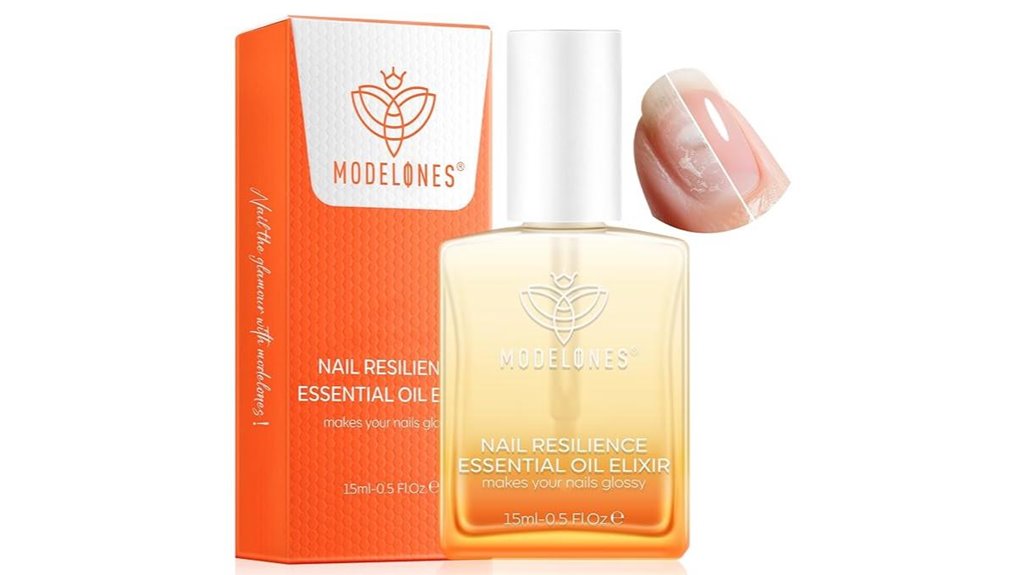
Modelones Nail Strengthener & Growth Repair (15ml) stands out for daily, at-home nail health maintenance with a 7-day rejuvenation claim. This clear repair serum nourishes and repairs damaged nails, boosting surface luster and hardness by about 30% in a week. It forms a protective shield for everyday wear, suitable for weak, split, chipped, thin, brittle, or cracked nails. With 60-second quick-dry application, its brush covers nails, cuticles, and toenails evenly, and no UV light is needed. The 15 ml bottle delivers up to 1.6x more product, designed for daily use and professional use alike. Safe, natural formula includes keratin and jojoba oil.
Best For: Individuals seeking a daily-use, clear nail hardener and growth treatment to repair weak, brittle, or damaged nails without UV light.
Pros:
- 7-day rejuvenation claim with noticeable increase in luster and hardness
- Quick 60-second dry time and easy, brush-on application for nails, cuticles, and toenails
- No UV light required; suitable for daily use and professional settings
Cons:
- Effectiveness may vary for severe or chronic nail issues
- As a clear serum, results depend on consistent, ongoing use
- Some users may prefer colored or scented formulas for enjoyability
Karlash Nail Repair Kit for Broken Nails (Crystal Clear)
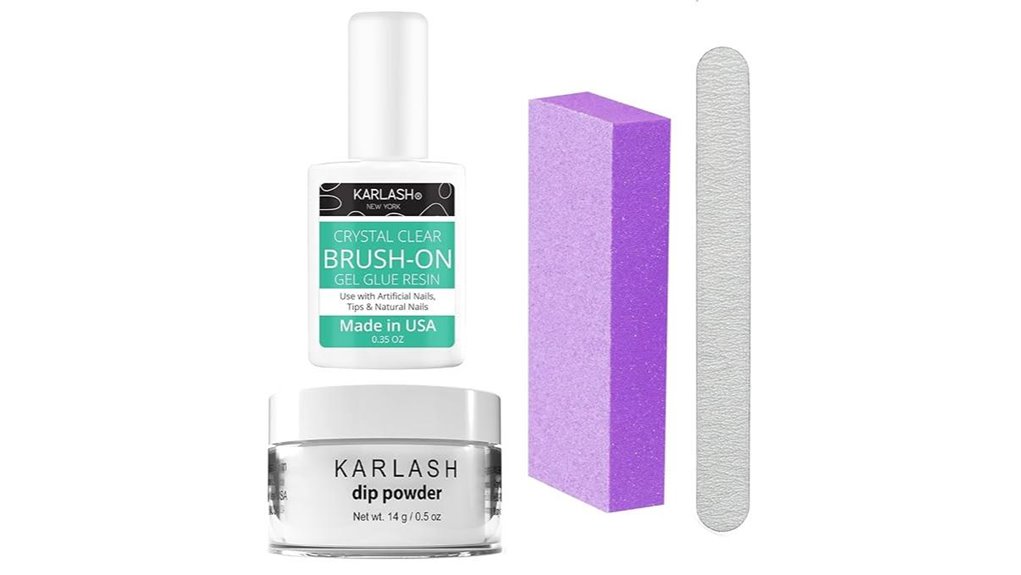
If you need a fast, reliable fix for cracked or broken nails, the Karlash Nail Repair Kit for Broken Nails (Crystal Clear) stands out as an emergency, easy-use option. This kit uses a non-toxic, odor-free dip system that’s breathable, water resistant, and tougher than acrylic. It delivers durable, long-lasting repair with minimal damage to natural nails, offering a seamless crystal-clear finish. Suitable for both home and professional use, it pairs a brush-on resin glue with the dip powder system for quick, effective repairs. Compatible with other dip powders, it’s an instant emergency fix you can trust. Crystal Clear results, minimal odor.
Best For: Individuals seeking a fast, emergency, crystal-clear nail repair that is non-toxic, odor-free, and suitable for use at home or by professionals.
Pros:
- Non-toxic, odor-free dip system with breathable, water-resistant results
- Durable, long-lasting repairs that are gentler on natural nails
- Crystal-clear finish provides seamless appearance and easy compatibility with other dip powders
Cons:
- May require practice to master brush-on resin glue application
- Not a permanent solution for severely damaged nails; best for quick fixes
- Requires dipping powder system compatibility and related supplies (gloves, brush, etc.)
Factors to Consider When Choosing Nail Plate Repair Treatment
When choosing a nail plate repair treatment, consider overall effectiveness, how easy it is to apply, and how long it takes to see results. You’ll also want to weigh safety for sensitive nails, potential reactions, and the ingredients that support your goals. Finally, check longevity, maintenance needs, and the benefits each option offers to keep nails looking and feeling healthier.
Product Effectiveness Factors
Product effectiveness hinges on how well a repair treatment reduces discoloration, thickness, and brittleness while rebuilding natural nail strength over time. You’ll want to assess how quickly discoloration improves and whether thickness returns to a healthy baseline without adding bulk. A patch-based option can shield damaged areas during restoration, potentially speeding recovery. Look for keratolytic or hydrating actives—urea, propylene glycol, or lactic acid—that help penetration, exfoliation, and moisture balance, supporting a smoother surface. Clear or transparent formulas blend with your natural nail, creating a seamless appearance while you wear the product. Long-term success depends on immediate strengthening with hardening agents and continued daily use as a base coat or standalone repair to support growth and resilience.
Application Ease and Time
Choosing a nail plate repair often hinges on how easily it fits into your routine and how quickly you can see results. You’ll want patch-based options pre-cut to nail shapes, applied to clean, dry nails to minimize bubbles and ensure a smooth seal. Transparent or crystal-clear formulations help the repair stay virtually invisible, preserving your natural look. Some treatments require scheduling twice-daily or daily applications, with timelines like initial frequent use followed by maintenance, so plan around your day. Quick-dry or fast-absorbing formulas reduce downtime and improve integration into regular activities. Also consider compatibility with other nail systems, such as gel polish or dip, and whether a protective top coat is needed to influence overall ease and duration.
Safety and Sensitivity Concerns
Are you mindful of how your nails react to repair products? When you choose a nail plate repair, check for hypoallergenic materials and free-from irritants to minimize reactions, especially if you have sensitive skin or dermatitis. Seek patch tests or patch-friendly formulations to assess irritation before full use on damaged nails. Favor breathable, non-occlusive formulas that reduce moisture buildup and fungal risk under repaired areas. If your nails are thin or damaged, avoid strong solvents or harsh keratolytic agents to prevent further thinning or cracking. Review safety data on active ingredients—urea, keratin, JB/oil blends—to understand potential sensitivities and interactions with preexisting nail conditions. Prioritize products with clear irritation safeguards and transparent ingredient disclosures.
Ingredients and Benefits
When selecting a nail plate repair, look for keratolytic agents like urea to soften and exfoliate the damaged plate, helping restore thickness and a smoother appearance. You’ll also want hydration components such as propylene glycol and lactic acid to moisturize brittle nails, reducing cracking and improving pliability. Some formulas include AHAs and vitamins (Vitamin B5 and Vitamin C) to support nourishment and strengthen the nail bed. Consider penetration-focused mechanisms that allow active ingredients to reach the nail plate, addressing underlying damage rather than just surface symptoms. The choice of ingredients can influence compatibility with existing treatments, like gel manicures, and may affect irritation or sensitivity risk. Prioritize a balanced blend that delivers moisture, resilience, and targeted repair without unnecessary additives.
Longevity and Maintenance
Longevity and maintenance hinge on creating a stable repair environment: patches or serums that form a protective barrier or a hardening effect tend to extend how long the repair lasts against daily wear and moisture. You’ll maximize durability by choosing products that resist bending, peeling, and water exposure, then sticking to regular reapplication. Weekly patch or treatment refresh helps sustain nail health as the natural nail grows and re-damages are prevented. Look for hydrating ingredients like glycerin, lactic acid, or propylene glycol to reduce brittleness and cracking, boosting repair longevity. Base coats or sealants used with patches or serums further improve durability and minimize chipping over time. Clear, invisible formulations blend with your nail, making maintenance easier and continuity less noticeable.
Common Questions
Do These Products Work on Severely Split Nails?
Yes, some can help, but results vary by severity. If your nails are severely split, you’ll want products that seal, protect, and strengthen. Look for formulas with protein, keratin, or hardening polymers, plus a moisture barrier. Do a patch test first, follow directions, and avoid aggressive filing. Consistent use over weeks improves appearance and durability. If pain or cracking worsens, see a dermatologist or nail tech for professional care.
How Long to See Noticeable Nail Plate Improvement?
You’ll usually see noticeable nail plate improvement within 2 to 4 weeks for mild damage, and about 6 to 12 weeks for more severe cases. Stay consistent with your chosen treatment, keep nails trimmed, and protect them from moisture and harsh chemicals. Expect gradual strengthening as the nail grows out. If you don’t notice any improvement after a couple of months, consult a dermatologist to rule out underlying issues.
Are There Any Age or Medical Restrictions?
Age and medical restrictions depend on your situation, but generally you can proceed with supervision. If you have diabetes, immune issues, or nail fungi, consult a clinician before treatments. Pregnant or nursing individuals should get medical clearance for topical or oral options. Minor allergies or skin sensitivities require patch testing. If you’re taking anticoagulants or have circulatory problems, seek doctor guidance first. Your safety comes first—ask your clinician about suitability and alternatives.
Can I Use During Ongoing Nail Fungus Treatment?
Yes, you can use certain nail repair products during ongoing fungal treatment, but check the label and ask your doctor first. Look for sister products that don’t interfere with antifungals, avoid harsh solvents, and don’t cover nails that are actively treated unless advised. Monitor for irritation, discontinue if you notice redness or itching, and keep to your prescribed regimen. If symptoms worsen, pause the repair and consult your clinician promptly.
Do These Treatments Affect Nail Color or Polish Adhesion?
Yes, some do affect color or polish adhesion, but you can manage it. Expect temporary tint changes from certain coatings, and note that thicker repair products may alter gloss. You’ll want to wait the recommended cure time before painting, use light, fast-drying polishes, and test a small area first. If you’re in ongoing antifungal treatment, choose quick-drying, pigment-free options and recheck with your clinician about compatibility and timing. Stay vigilant, and polish carefully.