
Think of finding the right fungal nail treatment like choosing a shoes that fits your feet—hidden irritants can trip you up. You’ll want options that blend effectiveness with gentle, sensitive-skin formulas, from patch-based solutions to undecylenic-acid blends and soothing tea tree mixes. Curious which of the 2026 top five truly balance care and efficacy, and how each could fit into your routine without compromising comfort? Let’s compare them thoughtfully.
Key Points
- Choose treatments with gentle active ingredients (lower acid concentrations, tea tree oil, or undecylenic acid) and fragrance-free, hypoallergenic formulations to minimize irritation.
- Prefer patch-based delivery (6–8 hour wear) over liquids for discreet use and reduced solvent-related irritation on sensitive skin.
- Look for dermatologist-tested, daily-use products with nourishing bases (jojoba, vitamin E, lavender) to support skin safety and nail recovery.
- Seek treatments offering long-term care (months-long regimens) targeting discoloration, thickness, and brittleness without triggering dermatitis.
- Ensure options provide under-edge and cuticle penetration for sustained antifungal action while remaining travel-friendly and easy to integrate into routines.
Toenail Fungus Treatment Kit with Brush & File
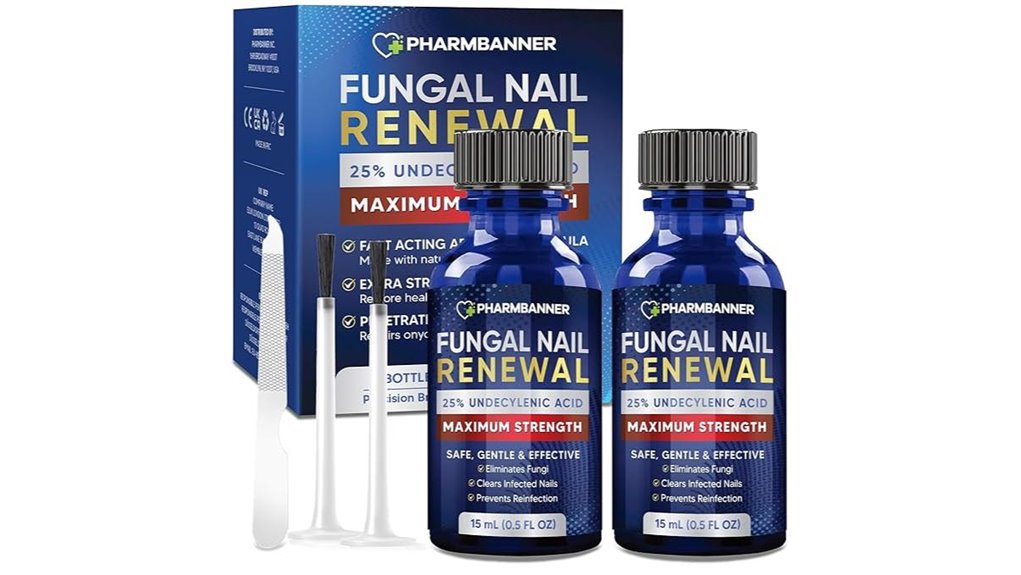
If you’re dealing with sensitive skin and stubborn toenail fungus, the Toenail Fungus Treatment Kit with Brush & File stands out for its maximum-strength yet skin-friendly formula. You get a 25% undecylenic acid-based treatment in a comprehensive kit, with two bottles, precision brushes, and a nail file for clean, hygienic application. It targets both toenails and fingernails affected by thickness or yellowing, penetrating around cuticles and under nail edges for effective action. The nourishing blend—tea tree, jojoba, lavender, and vitamin E—moisturizes and supports recovery, promoting clearer, stronger nails with daily, easy use. Safe for long-term routine inclusion.
Best For: This maximum-strength yet skin-friendly toenail fungus treatment is best for individuals seeking a potent undecylenic acid solution with a nourishing blend and hygienic application, suitable for both toenails and fingernails affected by thickness or yellowing.
Pros:
- Maximum-strength formula (25% undecylenic acid) targets stubborn fungal issues.
- Comprehensive kit includes two bottles, precision brushes, and a nail file for clean, hygienic application.
- Nourishing blend with tea tree, jojoba, lavender, and vitamin E supports moisture and recovery.
Cons:
- May be too strong for extremely sensitive skin or first-time users without a patch test.
- Requires daily use for best results, which may affect adherence for some.
- Contains essential oils; individuals with sensitive noses or skin reactions should exercise caution.
Fungus Nail Patches – 32 Pcs, Extra Strength Treatment
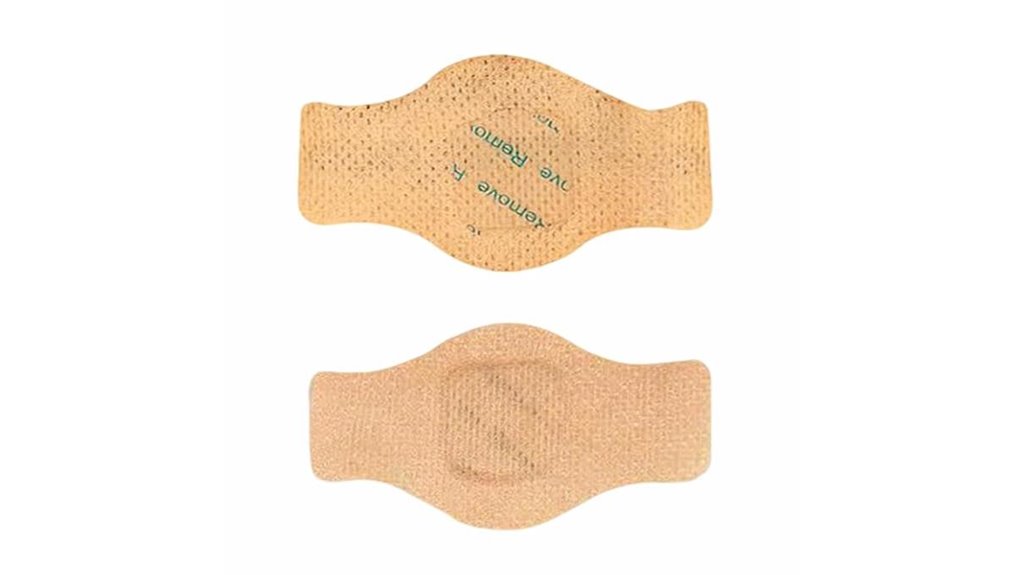
This Fungus Nail Patches – 32 Pcs, Extra Strength Treatment is ideal for those who want a discreet, on-the-go option with rapid action: each ultra-thin patch delivers extra-strength relief without liquids or creams, and the 32-patch pack fits daily use while traveling or at work. You apply a patch after cleaning the nail, wear it for 6–8 hours, and remove it without mess. The plant-based formula is gentle, odor-free, and safe, with breathable, medical-grade fabric. Use nightly for 3–6 months to restore nail strength, reduce discoloration, normalize thickness, and smooth the surface. Suitable for sensitive skin without irritation.
Best For: This discreet, on-the-go treatment is best for individuals seeking an extra-strength, patch-only solution for toenail fungus that fits into daily life and travel without liquids or creams.
Pros:
- Ultra-thin, breathable medical-grade patches for comfortable wear
- Plant-based, odor-free formula suitable for sensitive skin
- Daily nightly use with a 3–6 month timeline for visible nail improvements
Cons:
- Requires daily application and a multi-month commitment
- Patch-based therapy may not address very severe cases quickly
- No pricing or user ratings provided for quick comparison
Toenail Fungus Treatment, Undecylenic Acid & Tea Tree
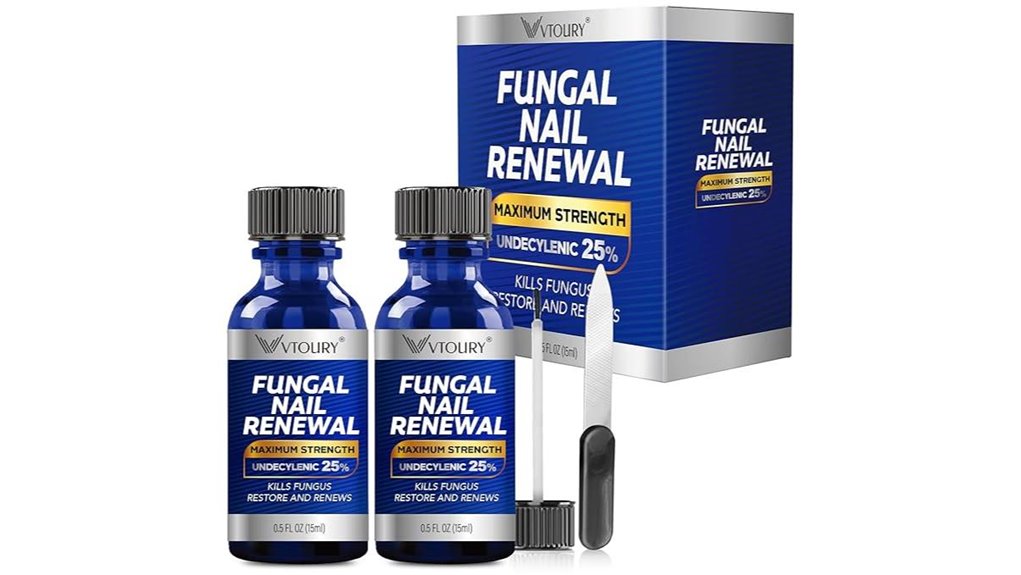
For those seeking a potent, dermatologist-tested option, Toenail Fungus Treatment with Undecylenic Acid 25% and Tea Tree Oil stands out for sensitive skin. This Extra Strength solution, VTROUY 2 Bottle Nail & Toe, targets fungal concerns and restores nail integrity. You apply it twice daily, with precision, and it penetrates deeply to revitalize your nail structure. Undecylenic acid and tea tree oil work together to reach the nail bed, eliminate damaged layers, and promote healthier growth. Dermatologist-tested for daily use, it’s safe for regular application and supports long-term, irritation-free nail and toe health. Expect improved clarity, texture, and resilience.
Best For: Individuals seeking a dermatologist-tested, extra-strength toenail fungus treatment with undecylenic acid 25% and tea tree oil for daily use and improved nail clarity and resilience.
Pros:
- Deep penetration targets fungal concerns at the nail bed.
- Contains undecylenic acid 25% and tea tree oil for active antifungal action.
- Dermatologist-tested and designed for daily use with minimal irritation.
Cons:
- May require consistent twice-daily application over several weeks to see results.
- Some users with sensitive skin could experience mild irritation despite testing.
- May not address extensive nail damage or infections requiring medical guidance.
Bee Venom Antifungal Toenail and Nail Repair Solution
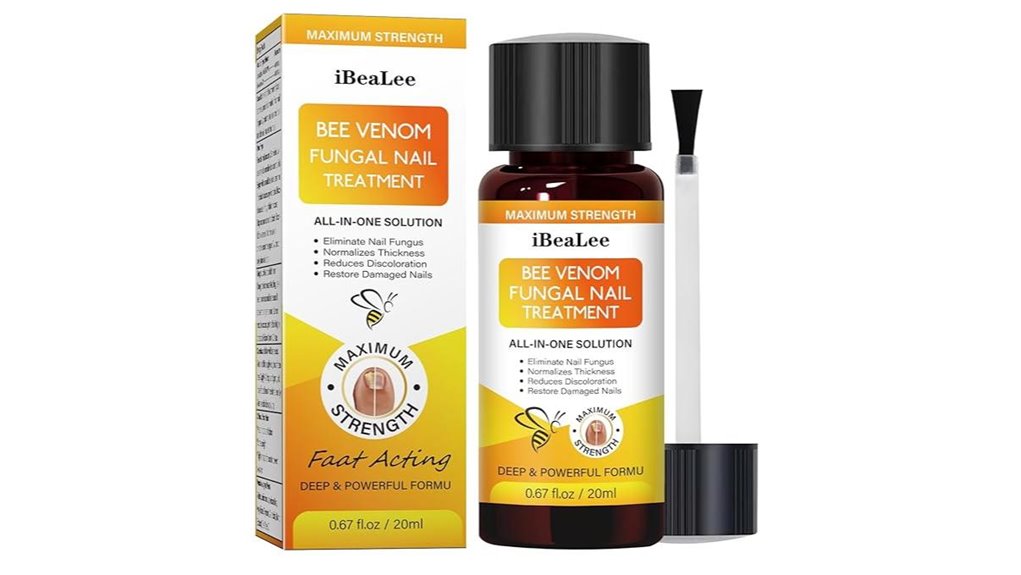
Bee Venom Antifungal Toenail and Nail Repair Solution stands out for sensitive-skin users seeking fast, targeted relief and nail restoration. This foot care treatment targets fungus on toenails and fingernails, helping repair yellow and ingrown nails. You’ll notice quick recovery from antifungal treatment as it kills fungus, restores and renews, and protects from reinfection. It’s easy to use: apply a layer to the fungal nail surface, let it absorb, then apply a layer of cream to infected parts. It supports nail health by reducing fungal/bacterial activity and itching, promoting sturdy nail growth. NDC code: 85636-011-01.
Best For: Sensitive-skin users seeking fast, targeted relief and nail restoration for toenail and fingernail fungus.
Pros:
- Targets fungus on nails and supports rapid recovery
- Kills fungus, reduces itching, and helps prevent reinfection
- Easy, two-step application (liquid layer then cream)
Cons:
- May require consistent, ongoing use for full results
- Results can vary based on infection severity and nail growth rate
- May cause temporary skin sensitivity in some users
Fungal Nail Patches 60 Pcs – Extra Strength Treatment
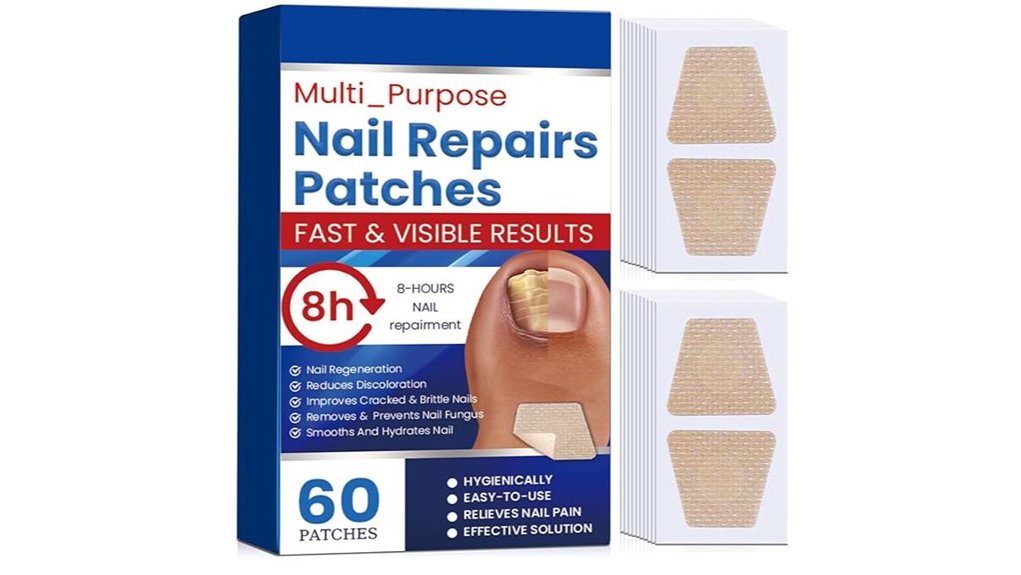
Packed with extra-strength patches, this set delivers continuous, deep treatment under the nail for fast, visible improvements in appearance and health. You apply multi-purpose patches that penetrate, moisturize, and exfoliate the nail plate, reducing discoloration, normalizing thickness, and smoothing the nail. The fast-absorbing formula works beneath the surface for 6-8 hours of care, day or night, with 2-4 weeks needed to restore ideal appearance. Each patch nourishes the nail bed, repairing from the root, strengthening nails, and addressing discoloration, brittleness, and thickening. Hygienic patches stay in place, offering convenient, home-based treatment for various nail sizes and shapes.
Best For: Individuals seeking an at-home, extra-strength fungal nail treatment that fits various nail sizes and provides continuous care under the nail for 6-8 hours.
Pros:
- Deeply penetrates, moisturizes, and exfoliates the nail plate to reduce discoloration and normalize thickness.
- Extra-strength, maximum-strength formula with hygienic patches that stay in place for continuous treatment.
- Convenient home-use patches pack (60 pcs) with fast absorption and 2-4 week time frame for visible improvement.
Cons:
- Requires consistent daily use for several weeks to see results.
- May not suit nails with extreme damage or severe infections requiring medical guidance.
- Patch application may be challenging for very curved or irregular nail shapes in some users.
Factors to Consider When Choosing Fungal Nail Treatment for Sensitive Skin
When you pick a fungal nail treatment for sensitive skin, look for sensitive skin formulations and gentle active ingredients that minimize irritation. Consider your irritation risk factors, and weigh patch versus liquid formats to see which feels most comfortable on your nails. Also check for fragrance-free options and note any fragrance or scent that could trigger a reaction.
Sensitive Skin Formulation
Choosing a fungal nail treatment for sensitive skin means prioritizing gentle, irritation-free formulas. Look for labels that say gentle or safe for sensitive use, and avoid fragrances, dyes, or harsh solvents. Seek products with soothing natural oils—tea tree, jojoba, lavender, and vitamin E—that moisturize without triggering irritation. Favor formulations with minimal odor and a low irritation risk, ideally with clinical or dermatologist-tested claims to back safety for delicate nails and skin. Prefer non-liquid, patch, or non-irritating delivery methods to reduce direct skin contact and extend wear without discomfort. Check for deep-penetration or fast-absorbing formulas designed to reach the nail bed without overstimulating surrounding skin, ensuring a comfortable, long-lasting treatment experience.
Gentle Active Ingredients
Gentle active ingredients are your first line of defense when treating fungal nails with sensitive skin. Look for labeled gentle or suitable for sensitive skin, with lower acid concentrations or alternative antifungal agents. Prefer formulations that say hypoallergenic, fragrance-free, dye-free, or non-irritating to minimize contact dermatitis risk. Patch-test on a small area before full use to monitor redness, itching, or burning over 24–72 hours. Choose products with evidence of safe daily use and dermatologist-tested labeling to reduce irritation potential. Avoid products with strong solvents or irritants, such as high-percentage undecylenic acid or essential oils, if you know you’re sensitive. Prioritize clear labeling and reliable guidance to balance efficacy with comfort and skin tolerance.
Irritation Risk Factors
Irritation risk rises with certain active ingredients, fragrances, and longer wear times, so assess each factor before choosing a fungal nail treatment for sensitive skin. If you have sensitive skin, know that active antifungals like undecylenic acid or tea tree oil can cause redness, itching, or burning on nails or nearby skin. Consider patch tests or starting with lower-frequency applications to gauge irritation risk before daily use. Fragrances, essential oils, or carrier oils in formulas may trigger contact dermatitis even if the antifungal works for you. Prolonged exposure or wearing patches longer than the recommended 6–8 hours increases irritation and allergy chances. If your skin’s history is reactive, consult a healthcare professional and look for hypoallergenic or sensitive-skin labeled products.
Patch vs Liquid Benefits
Considering patches vs. liquids can simplify choosing a fungal nail treatment for sensitive skin, since patches stay in place for a defined 6–8 hours and reduce spill risk, while liquids may need more frequent handling. If you value discreet application, patches deliver non-liquid use and minimize skin irritation from spills. Liquids with active ingredients can reach fungal sites around cuticles and under nail edges during application, potentially targeting areas patches miss. Patches are travel-friendly and avoid daily liquid handling, whereas liquids require more frequent reapplication and longer setup. For sensitive skin, patches tend to use soft, breathable fabrics with little or no odor, reducing irritation from solvents or fragrances found in liquids. Both formats pursue deep penetration, but patches provide continuous exposure over hours, while liquids rely on drying time and surface contact.
Fragrance-Free Options
Are fragrance-free options worth prioritizing for sensitive skin when choosing a fungal nail treatment? Yes, they reduce the risk of contact dermatitis and irritation by avoiding added perfumes and essential oils that trigger redness or itching. Look for products labeled fragrance-free, no essential oils, and no masking scents to minimize exposure. Fragrance-free formulas can still contain active antifungals and carriers, so always verify the full ingredient list for potential irritants beyond fragrance. For sensitive skin, consider patch-testing a small area before full use to catch reactions to other active ingredients. Even with fragrance-free options, beware of undecylenic acid or similar agents that might irritate you. Prioritize options that clearly state fragrance-free compliance and review ingredient transparency.
Long-Term Care Considerations
Long-term care matters when choosing a fungal nail treatment for sensitive skin. You should look for long-lasting use guidance and whether the formula supports daily application without irritation for extended periods. Favor products with gentle, nourishing ingredients like tea tree, jojoba, and vitamin E to back nail recovery over time. Check if the treatment penetrates the nail surface to reach under edges and cuticles for sustained effectiveness. Assess whether you’ll see clear, gradual improvements in nail clarity, thickness normalization, and discoloration after months of use. Prefer options that combine active antifungal action with skin-safe, hypoallergenic formulations to minimize irritation during long-term use. Choose a regimen you can sustain, monitor progress, and adjust as needed.
Common Questions
Can Patches Cure Fungal Nails Faster Than Liquids?
Yes, patches can work faster than liquids for some people, since they deliver medication directly to the nail bed and stay in place longer. However, results vary based on the product, infection severity, and nail growth rate. You’ll likely need several weeks of consistent use, and patches may be less effective for thick nails or onycholysis. Follow label directions, keep nails clean and dry, and consult a clinician if you don’t see improvement.
Are These Products Safe for Toddlers or Elderly Care?
Yes, some fungal treatments can be safe for toddlers or elderly care, but you must consult a pediatrician or geriatrician first. Look for products labeled as pediatric- or senior-friendly, and follow dosing and duration strictly. Avoid strong chemicals on very young or frail skin, and watch for irritation, redness, or swelling. If symptoms persist, switch to a doctor-approved option. Never use adult prescriptions without professional guidance. Prioritize safety and professional advice above all.
Do Formulations Cause Skin Irritation or Contact Dermatitis?
Yes, certain formulations can cause skin irritation or contact dermatitis. You might notice redness, itching, or a burning sensation after use. To reduce risk, start with a patch test on a small area, follow directions precisely, and avoid products with fragrance or harsh additives. If you have sensitive skin, opt for hypoallergenic options and consult a clinician before trying new ingredients like tea tree, salicylic acid, or pushy solvents. Stop use if symptoms worsen.
How Long to See Results With Sensitive Skin Types?
Typically you’ll start seeing improvements in 4–12 weeks with sensitive skin, depending on severity and consistency. Use a product labeled for sensitive skin, apply as directed, and avoid aggressive scrubbing. If irritation occurs, swap to a gentler formula or reduce frequency, and consult a clinician. Keep nails dry between applications, wear breathable shoes, and monitor changes. Return if redness, swelling, or blistering worsens, since prolonged irritation could signal allergy.
Is a Doctor’s Diagnosis Required Before Use?
Yes, you should seek a doctor’s diagnosis before using treatment. A clinician confirms it’s fungal, rules out other conditions, and spots drug interactions with any current meds. They can tailor options for sensitive skin, guide you on application frequency, and monitor for irritation. If you notice redness, itching, or swelling, stop use and contact your doctor. Follow their instructions precisely, and don’t squeeze or share devices to prevent spreading infection.